
A Solo, Budget-Friendly Weekend in London
This May, I traveled abroad alone for the very first time since becoming a parent. This rare opportunity was the result of needing to do some archival research at the British Library in London and the Museum of Rural English Life in Reading. I actually prefer traveling with Ryan and my toddler, but time-off and budgets did not align, so my trek across the pond was solo (and fully funded by my college). While I was initially not too happy about this prospect, my time in England reminded me, after ten years of traveling with Ryan and friends, that I am capable of hard things, that I like spending time with myself doing what I like to do, and that I can read a book extremely fast when I’m not interrupted every five seconds!
Without further ado, a collection of the things I got up to when not holed up in the archives, all of which are free and accessible via public transport. Some of these excursions were purely for my own enjoyment, and others were effectively non-academic research for my two current (creative) book projects. Keep in mind that I’ve also been to London several times now, so I’ve somewhat exhausted the list of the usual tourist activities. (Go here to check out one of my previous trips, where I hit up the must-do’s in London)
Italian Gardens, Kensington Gardens, & Hyde Park
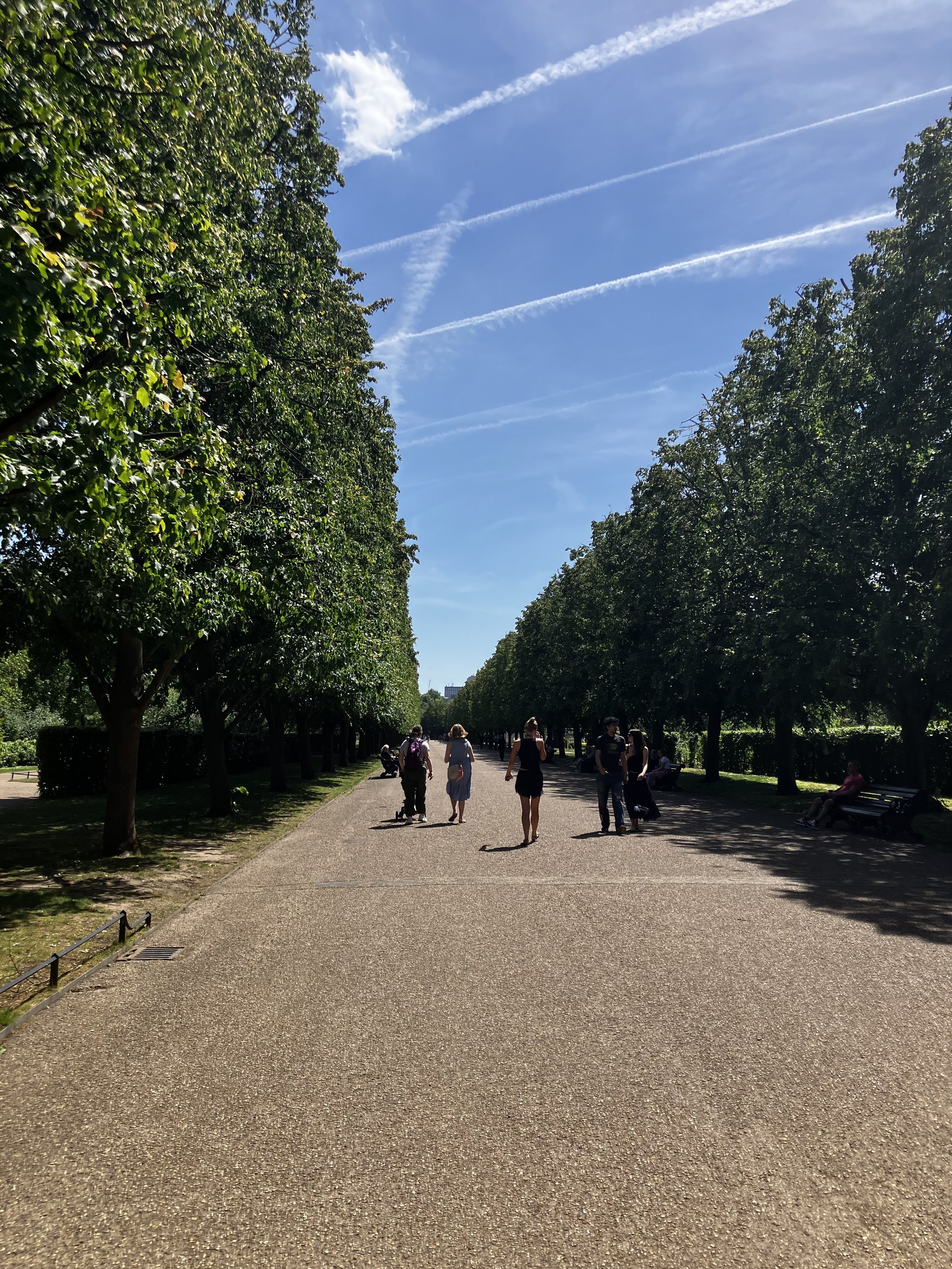
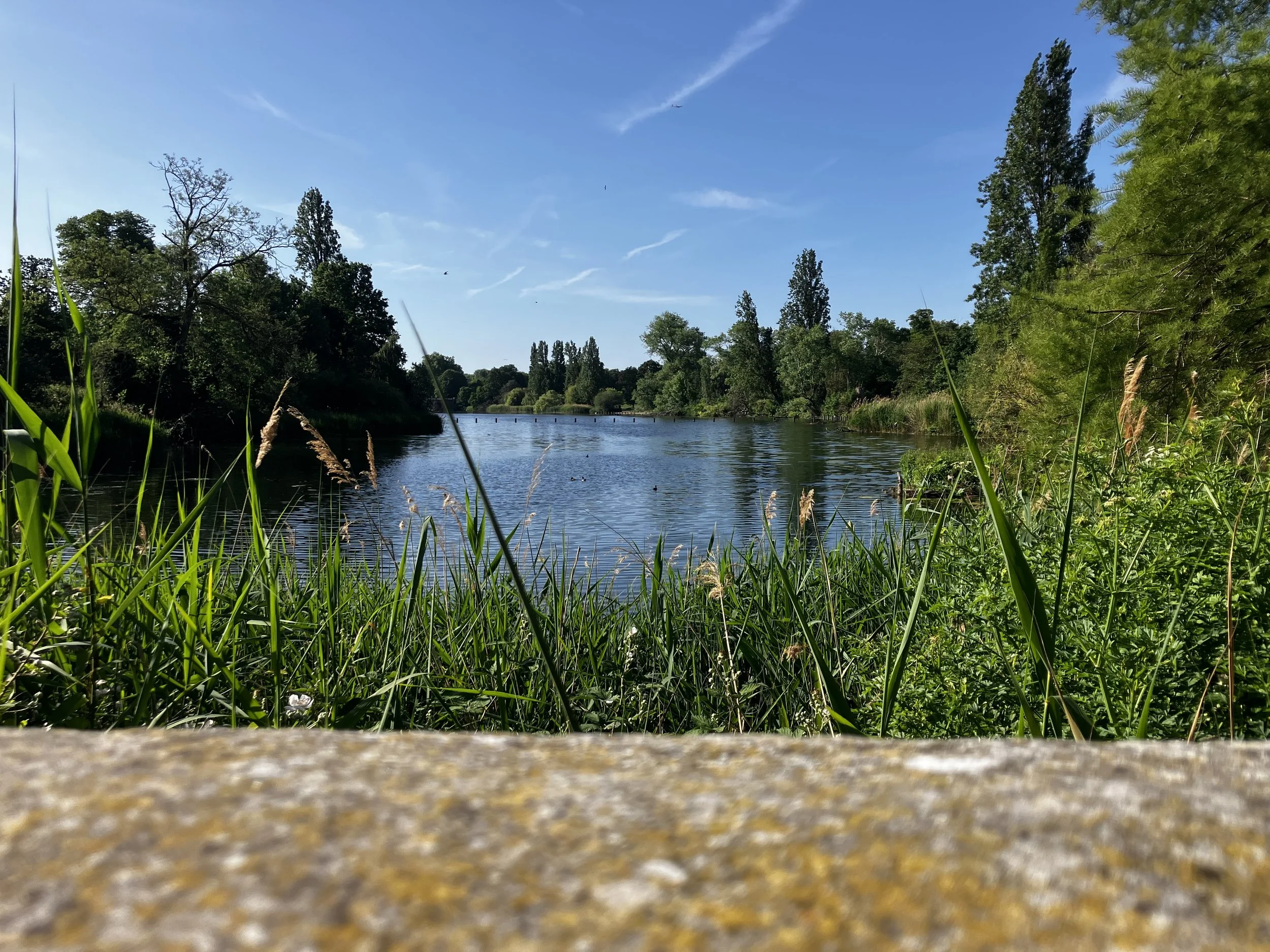
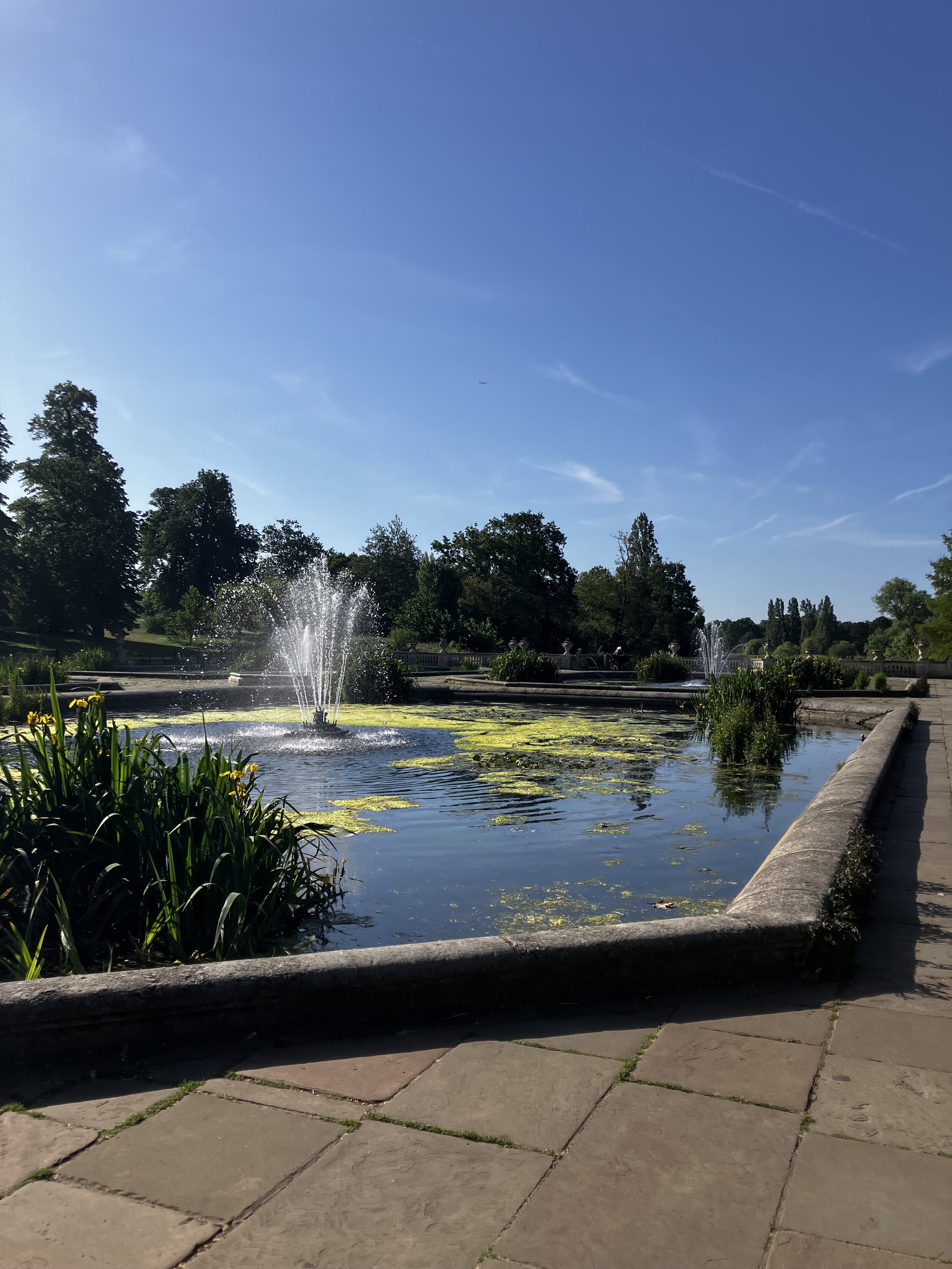
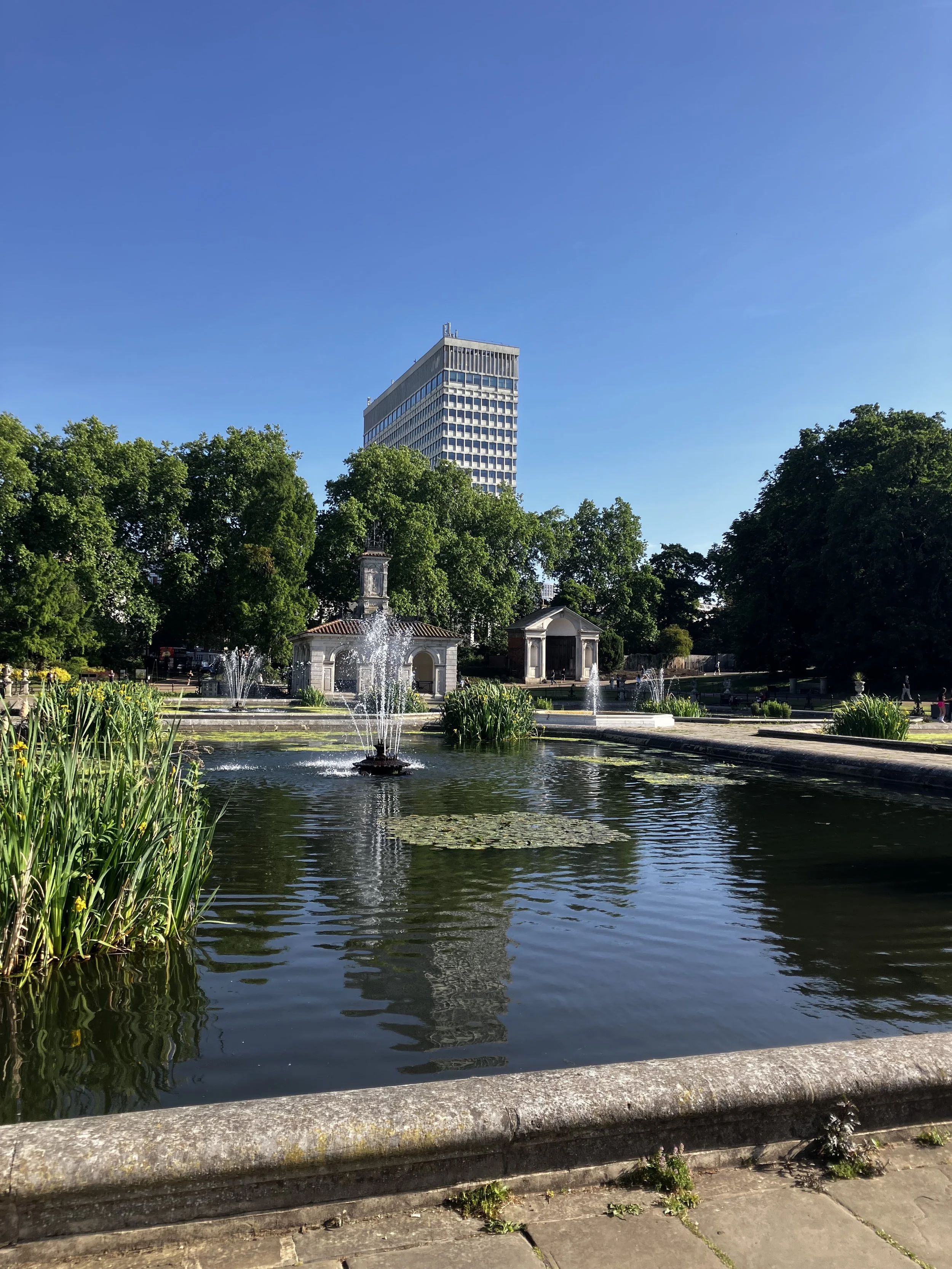
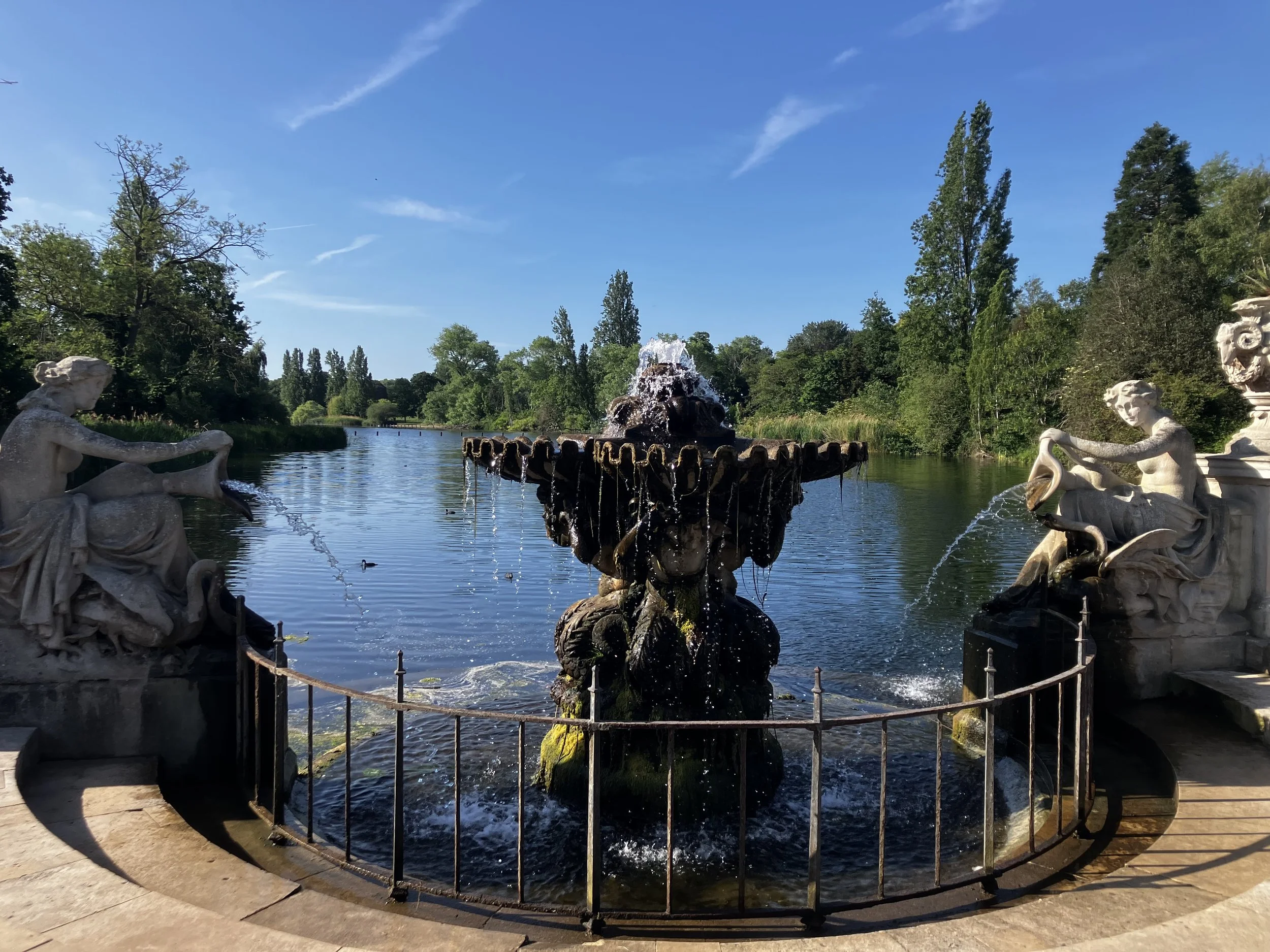
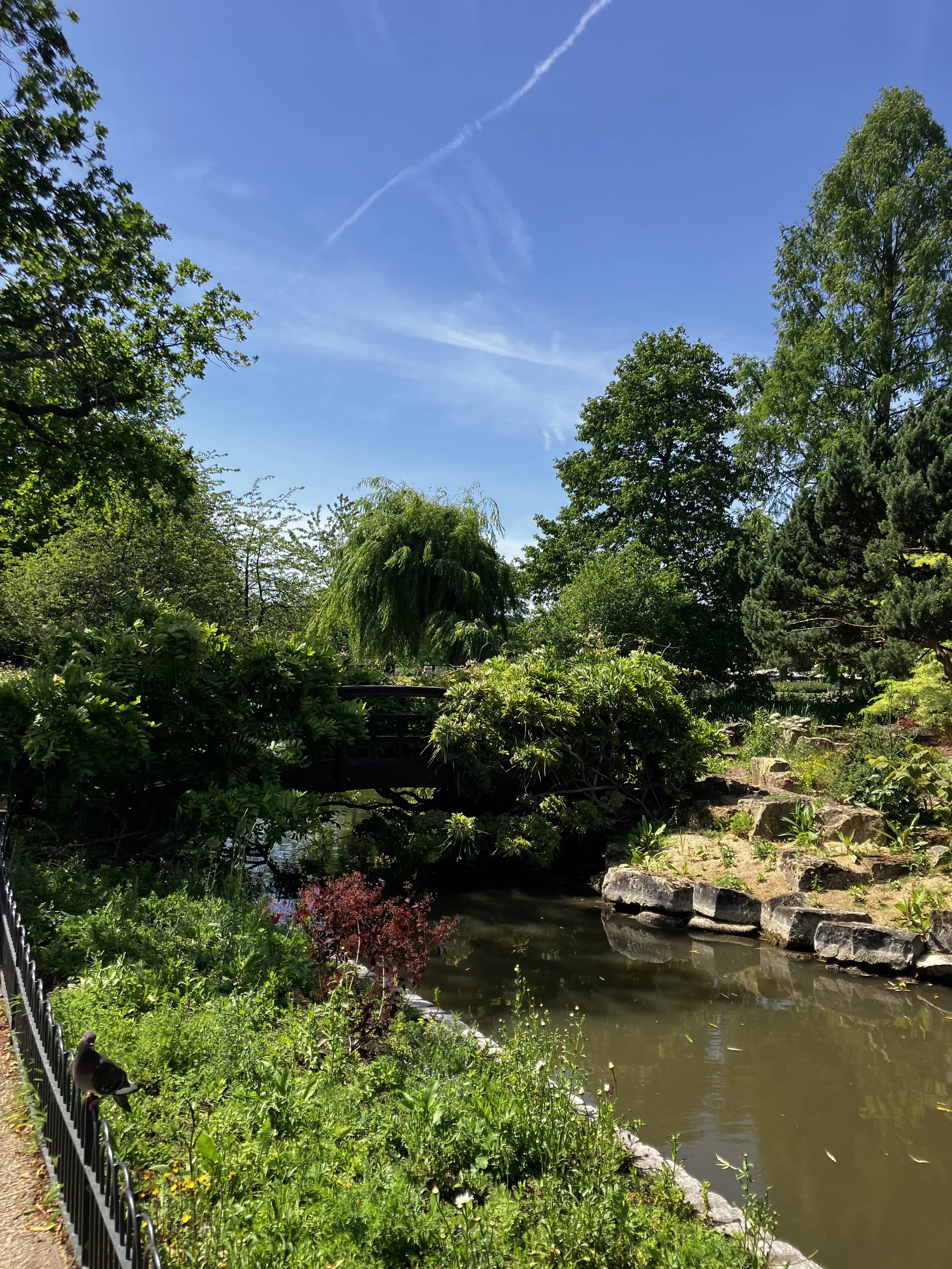
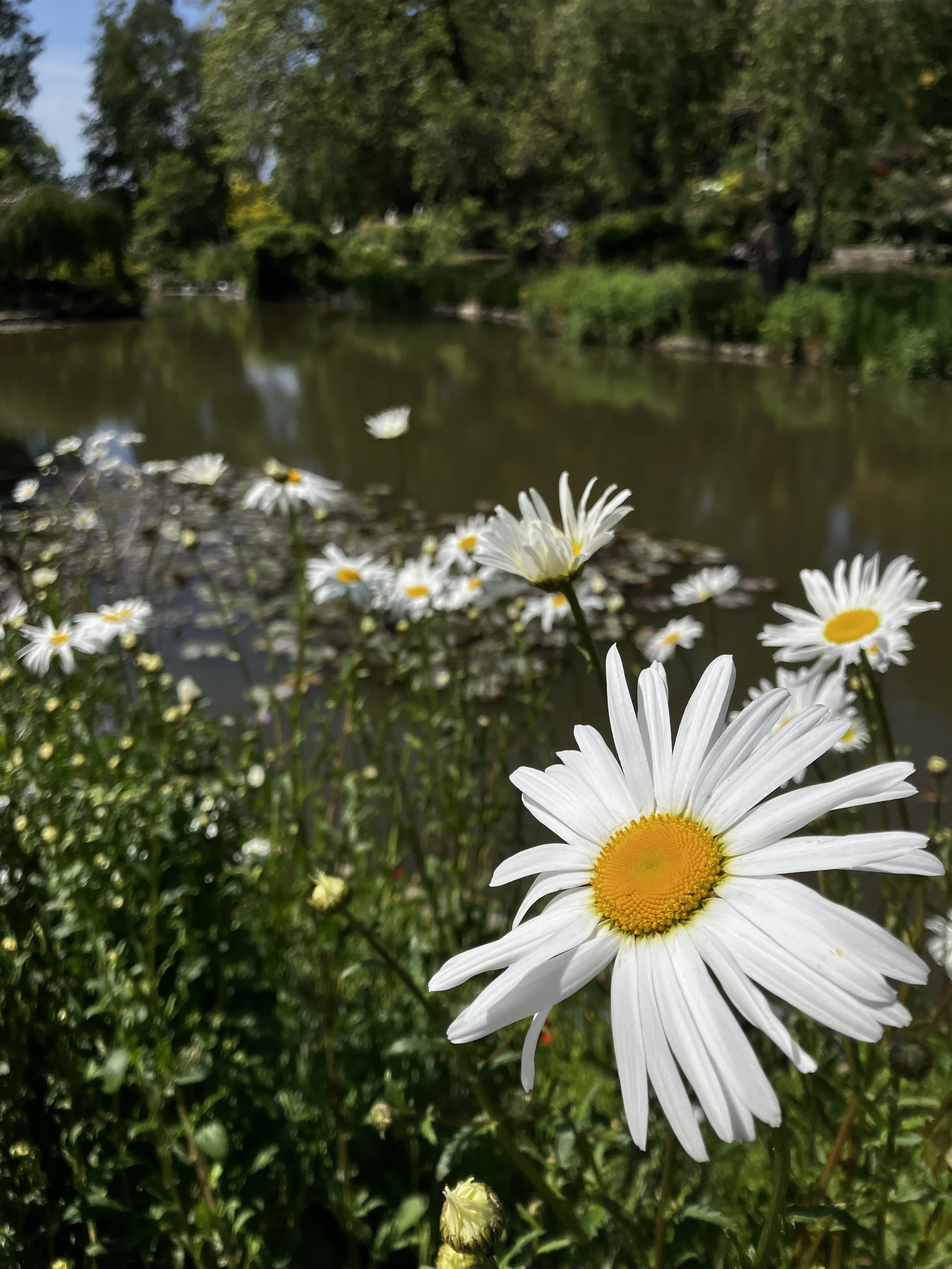
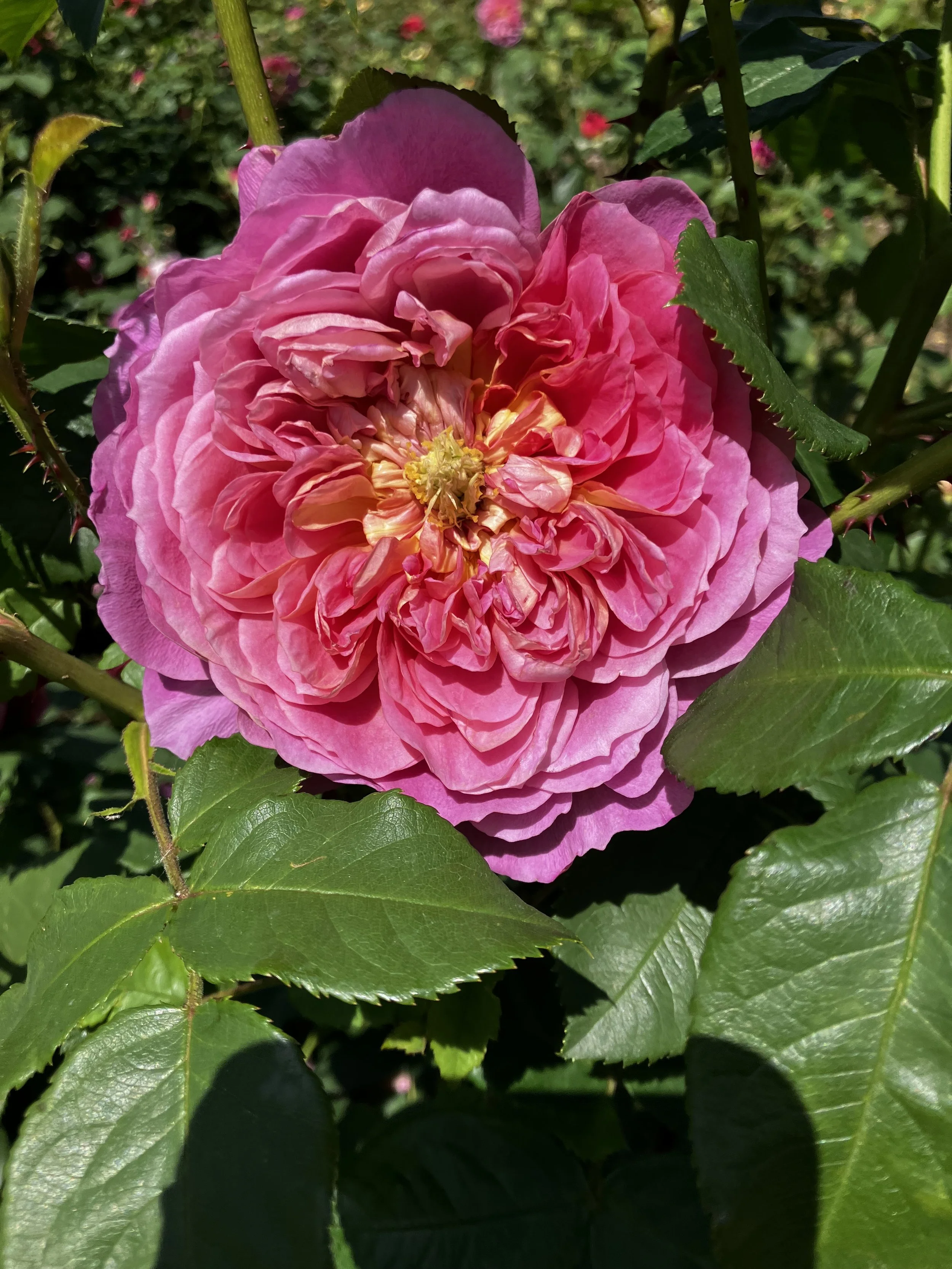
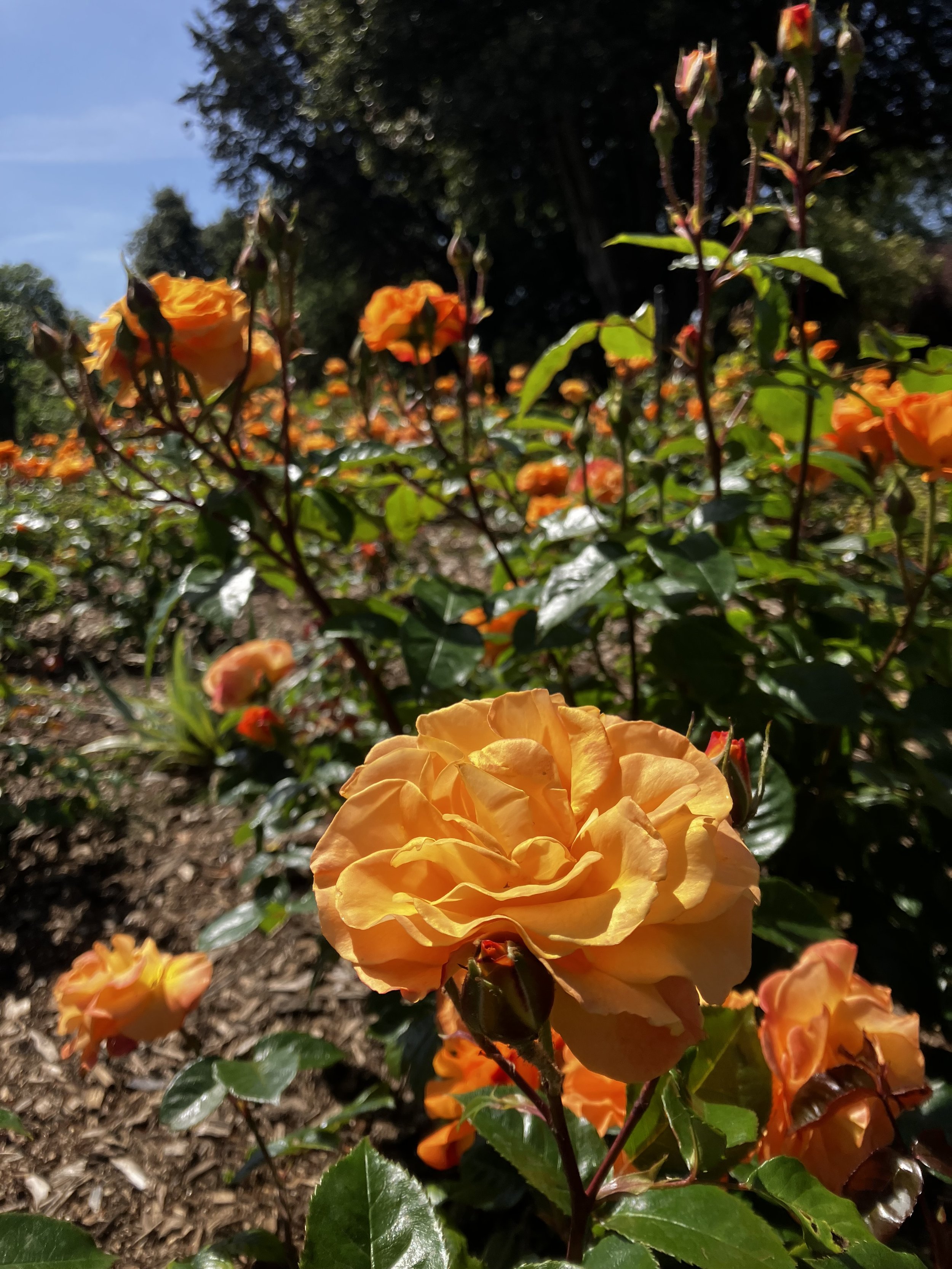
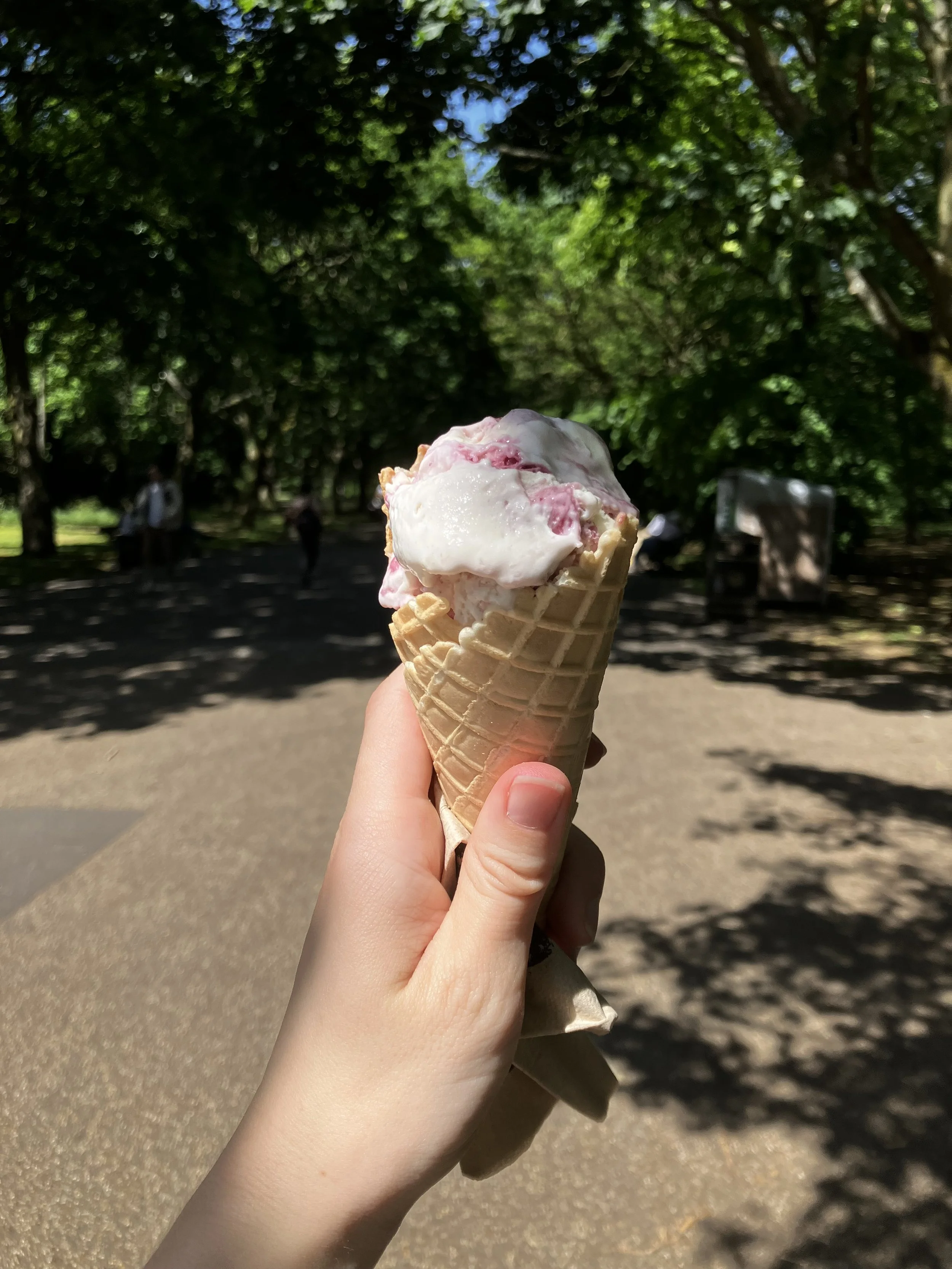
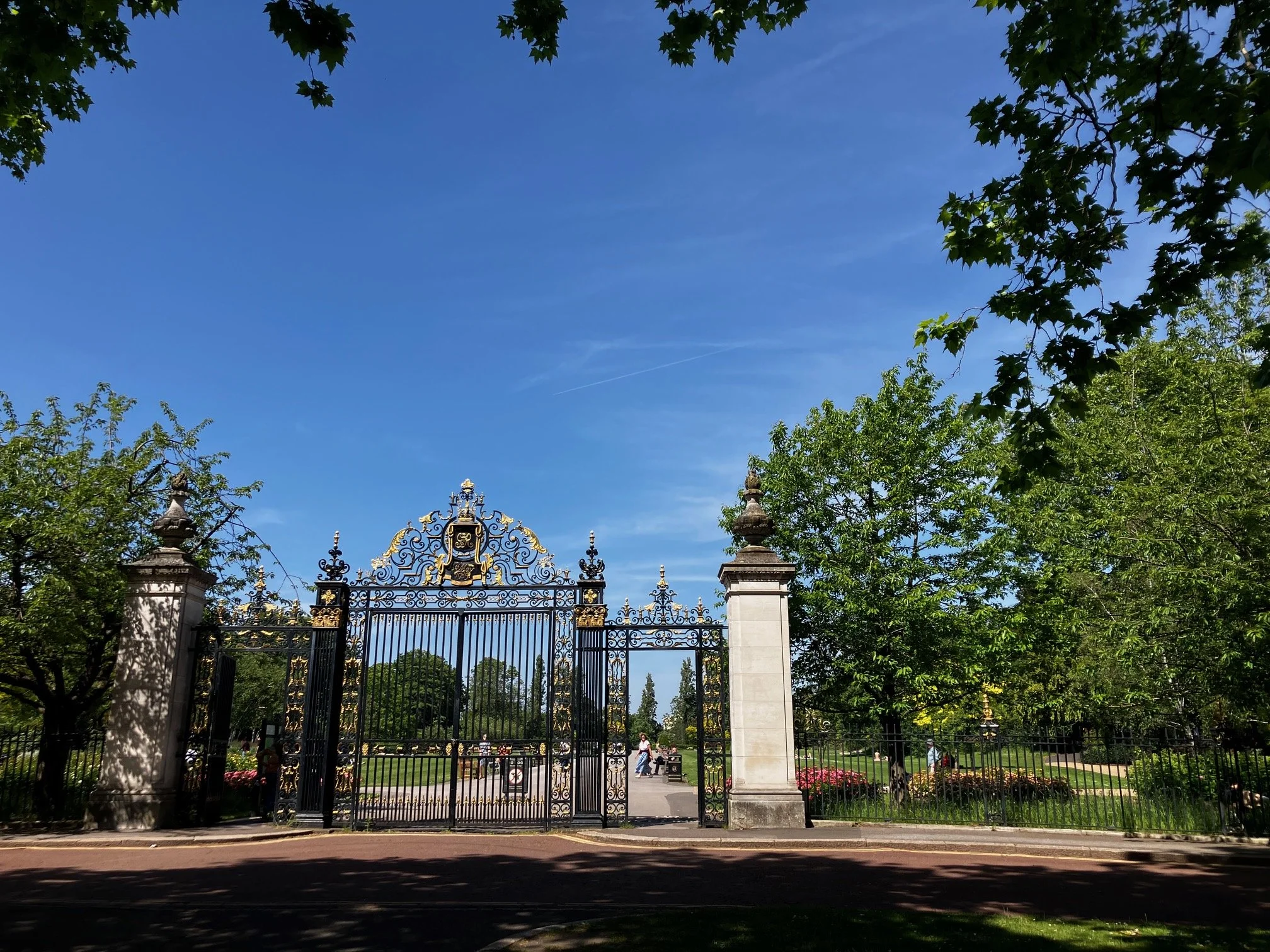
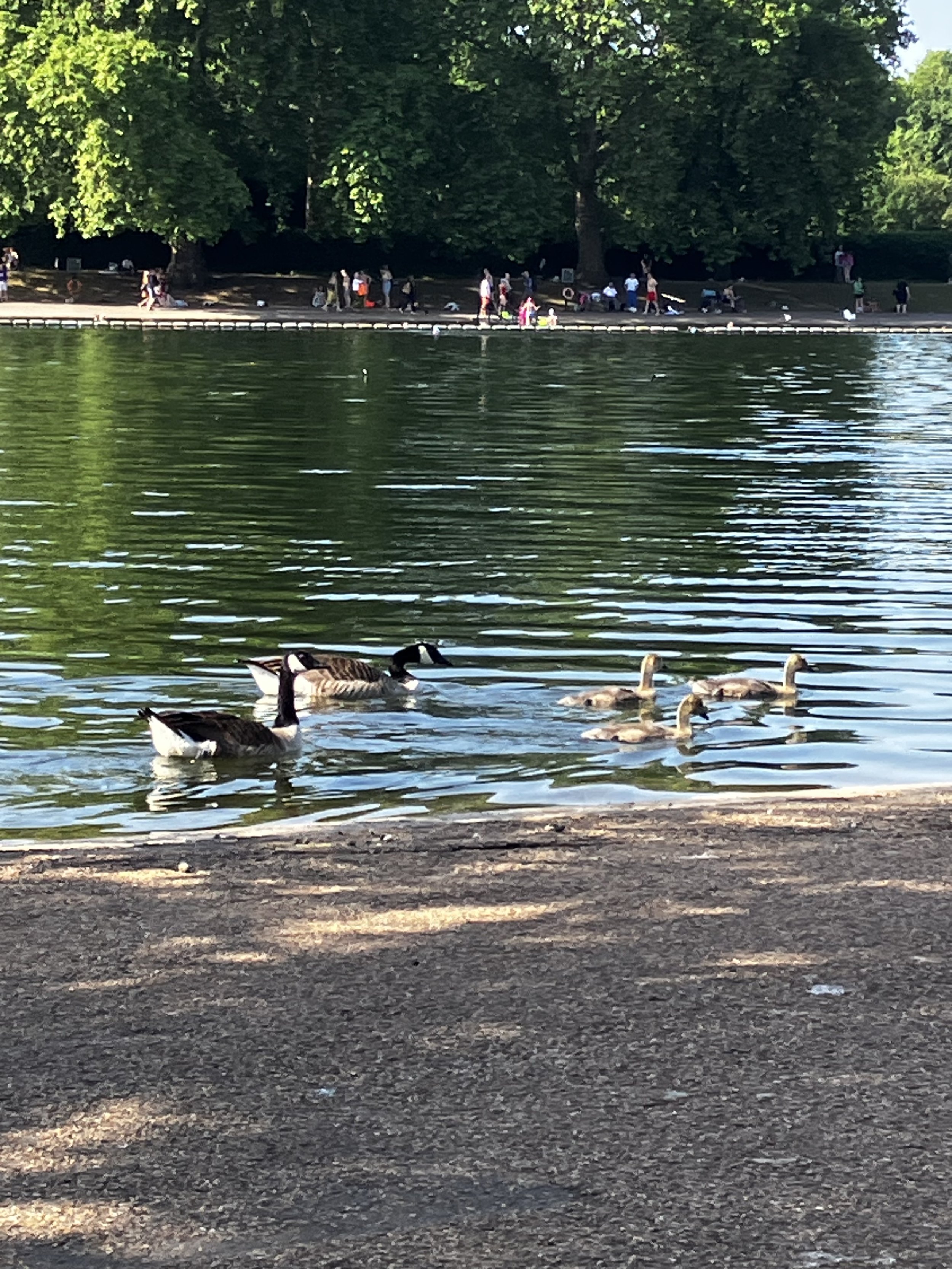
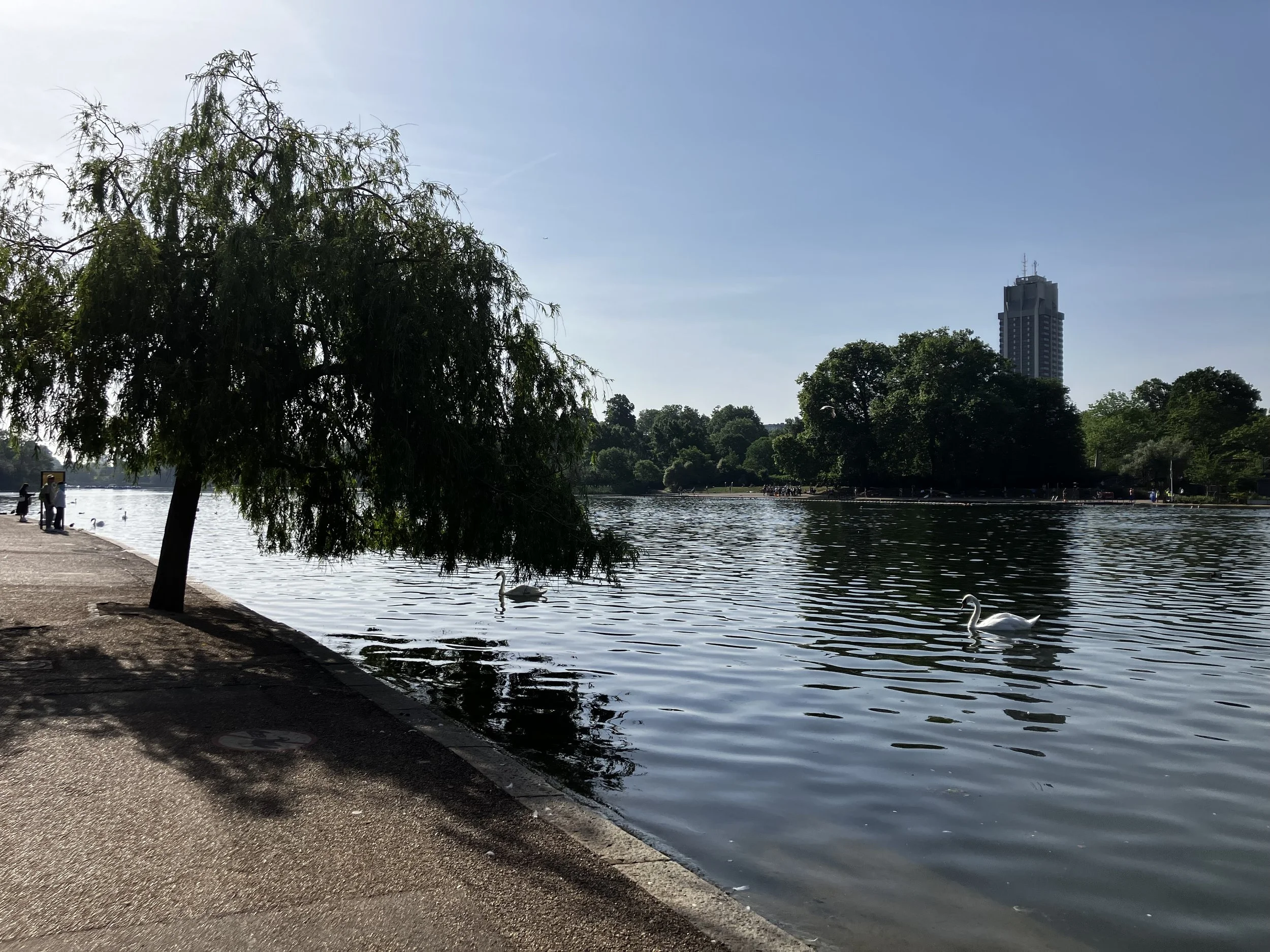
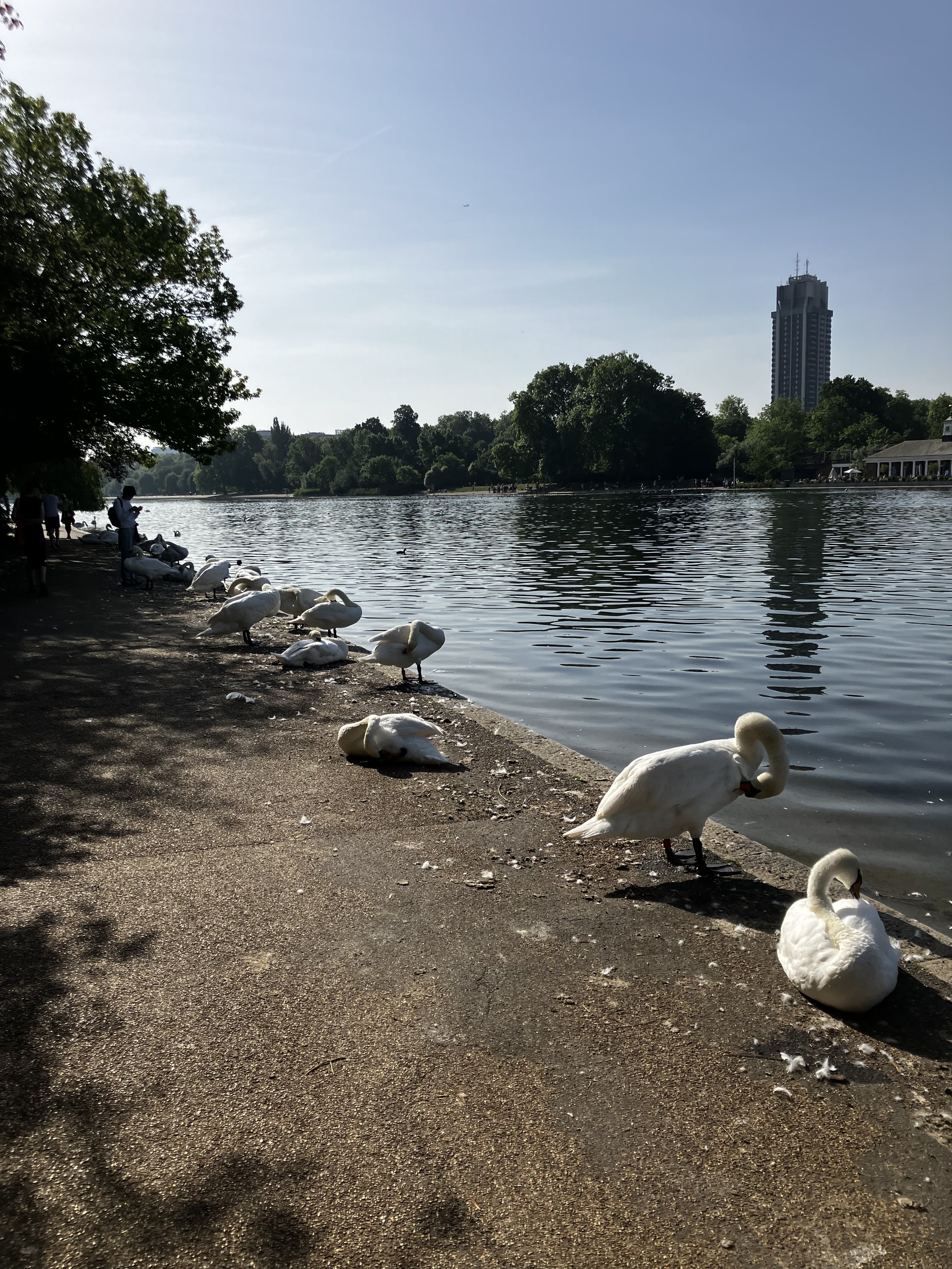
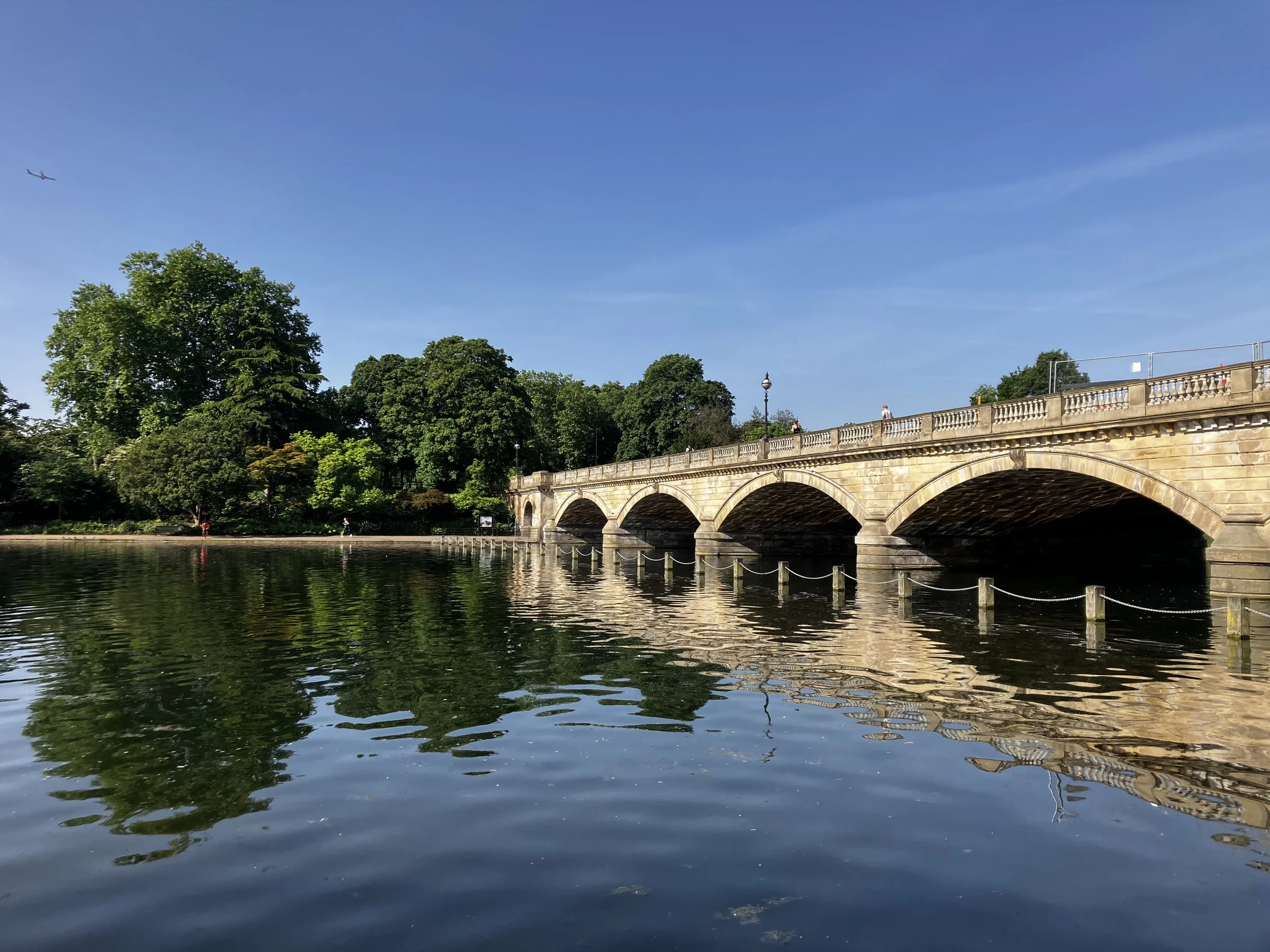
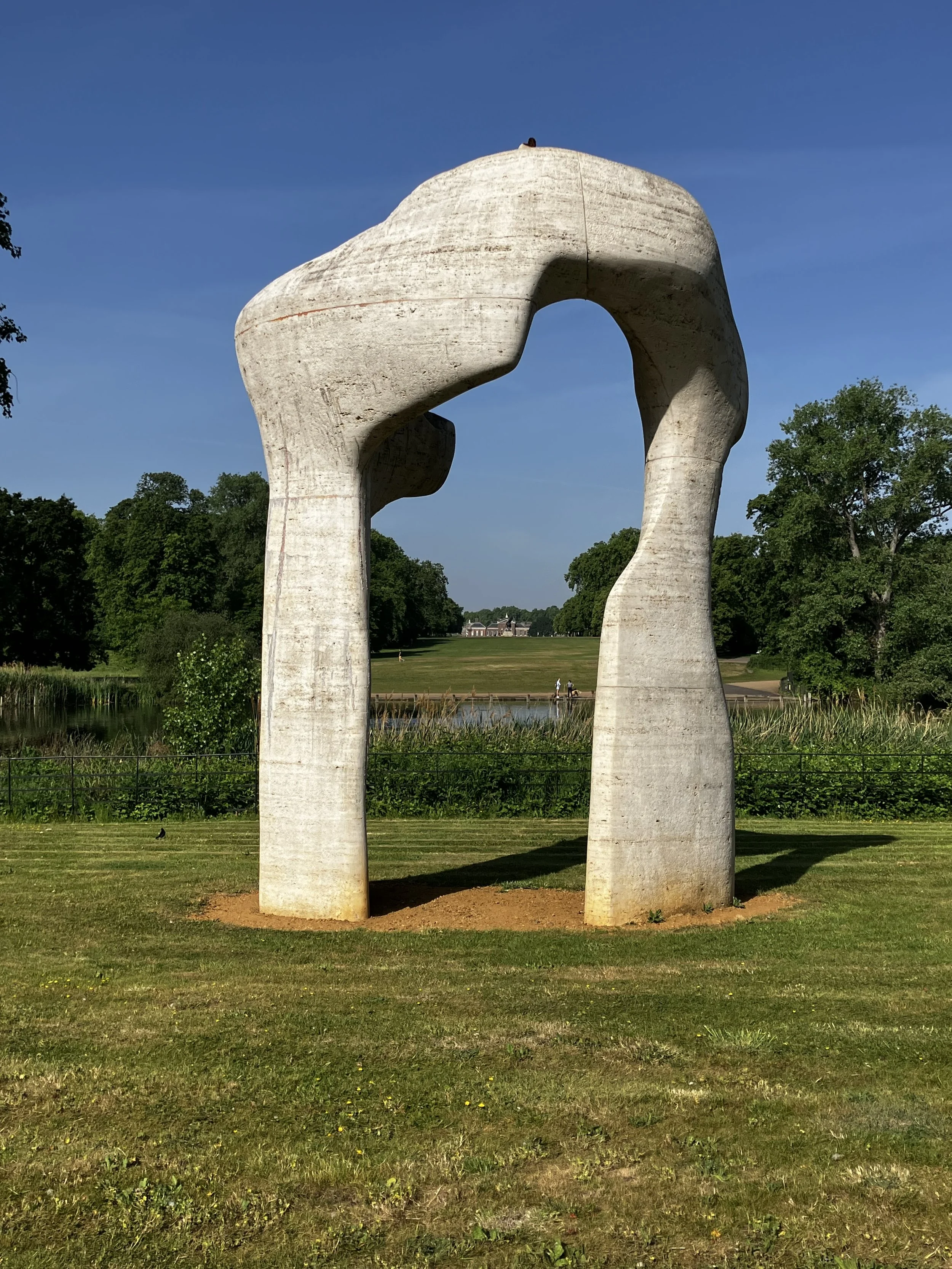
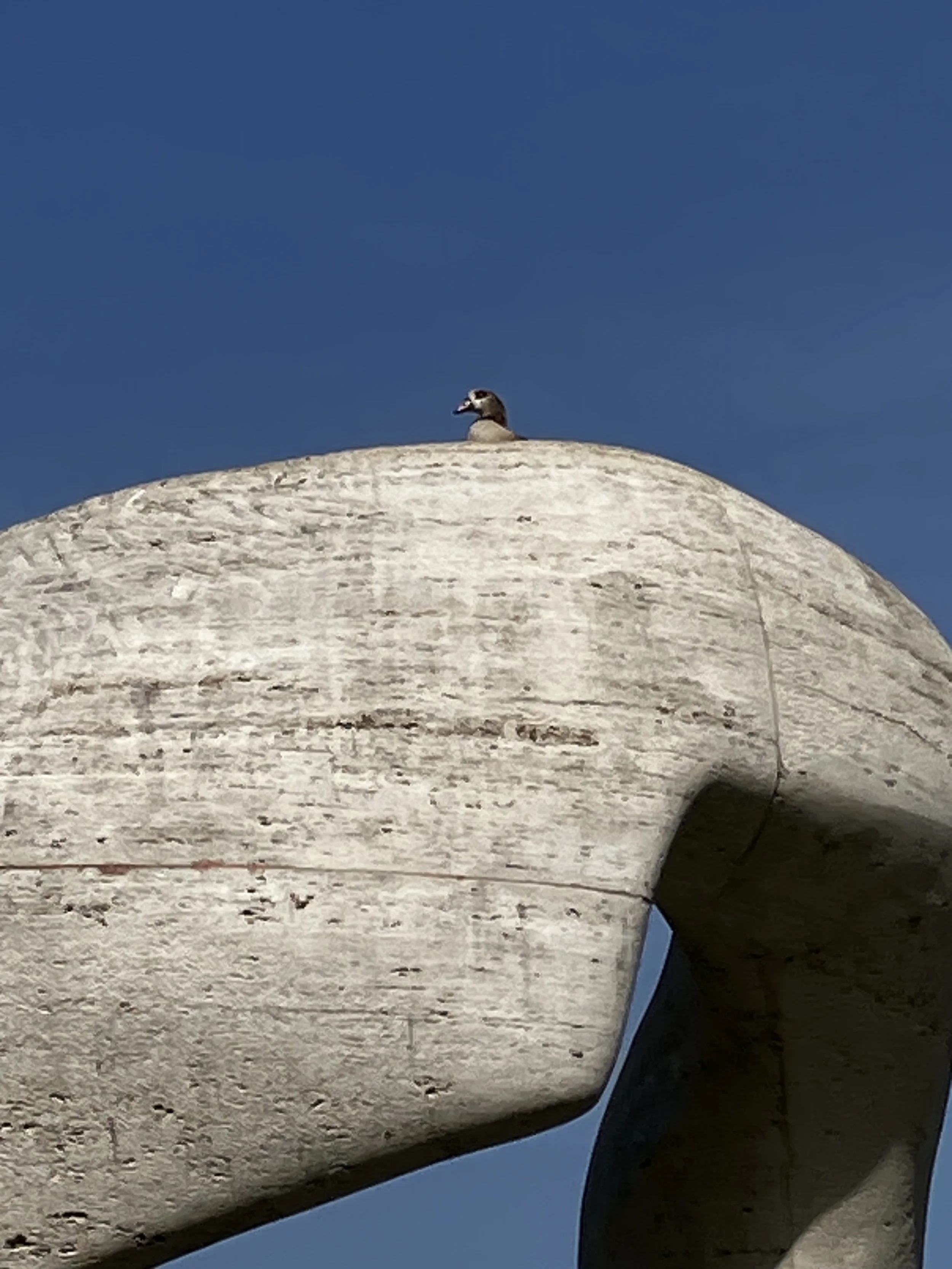
I stayed at the NOX Hyde Park, which, as you can imagine, was extremely close to the sprawling expanse of Hyde Park and Kensington Gardens. Unable to sleep in since becoming a parent, I took advantage of my early morning wakings to stop by a bakery, then leisurely stroll through the parks—something I have never been able to do on any previous visit to London. I sat on a bench beside the fountains at the Italian Gardens and read a book, walked along the Long Water, took a lot of pictures of baby ducks and geese for my daughter, ate blackcurrant ice cream in the rose garden, and spent one evening laying out under the trees with hundreds of others who were picnicking and lounging in the heatwave.
2. The British Library
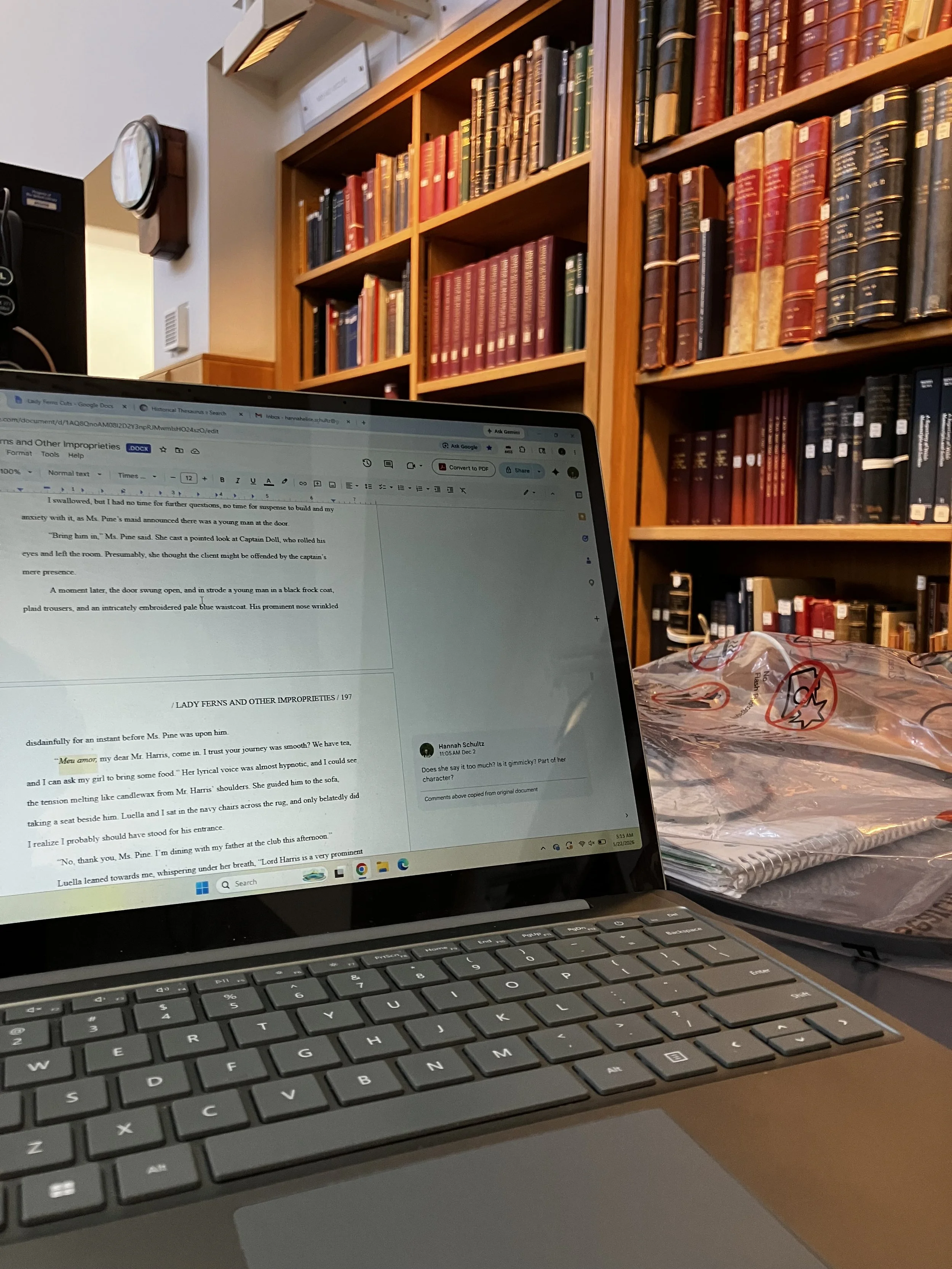
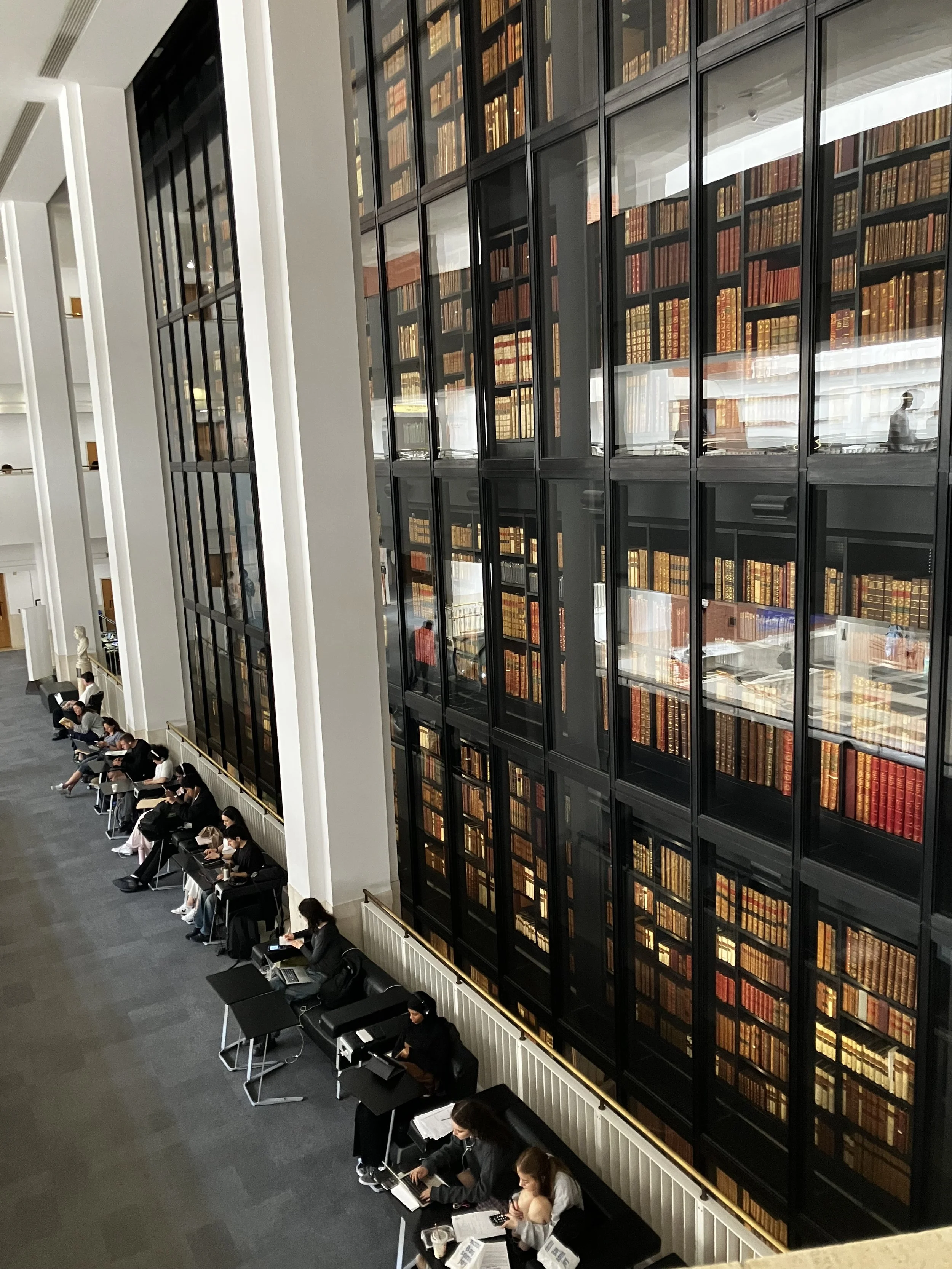
While I didn’t intentionally go to the British Library for more than archival research, while I was there, I discovered their free exhibition called “Treasures of the British Library.” This collection includes some fascinating original manuscripts, including some Shakespeare and Austen materials, a contemporary Magna Carta copy, and beautiful illuminated manuscripts from around the world. I got there just as they opened, and there was quite a queue to enter (there’s a metal detector everyone must pass through), but if you are nearby or need a cool place to work for a few hours, I would highly recommend it. Just keep in mind that you’ll need to register for a free British Library card to enter any of the reading rooms or access physical materials.
3. Victoria & Albert Museum, South Kensington
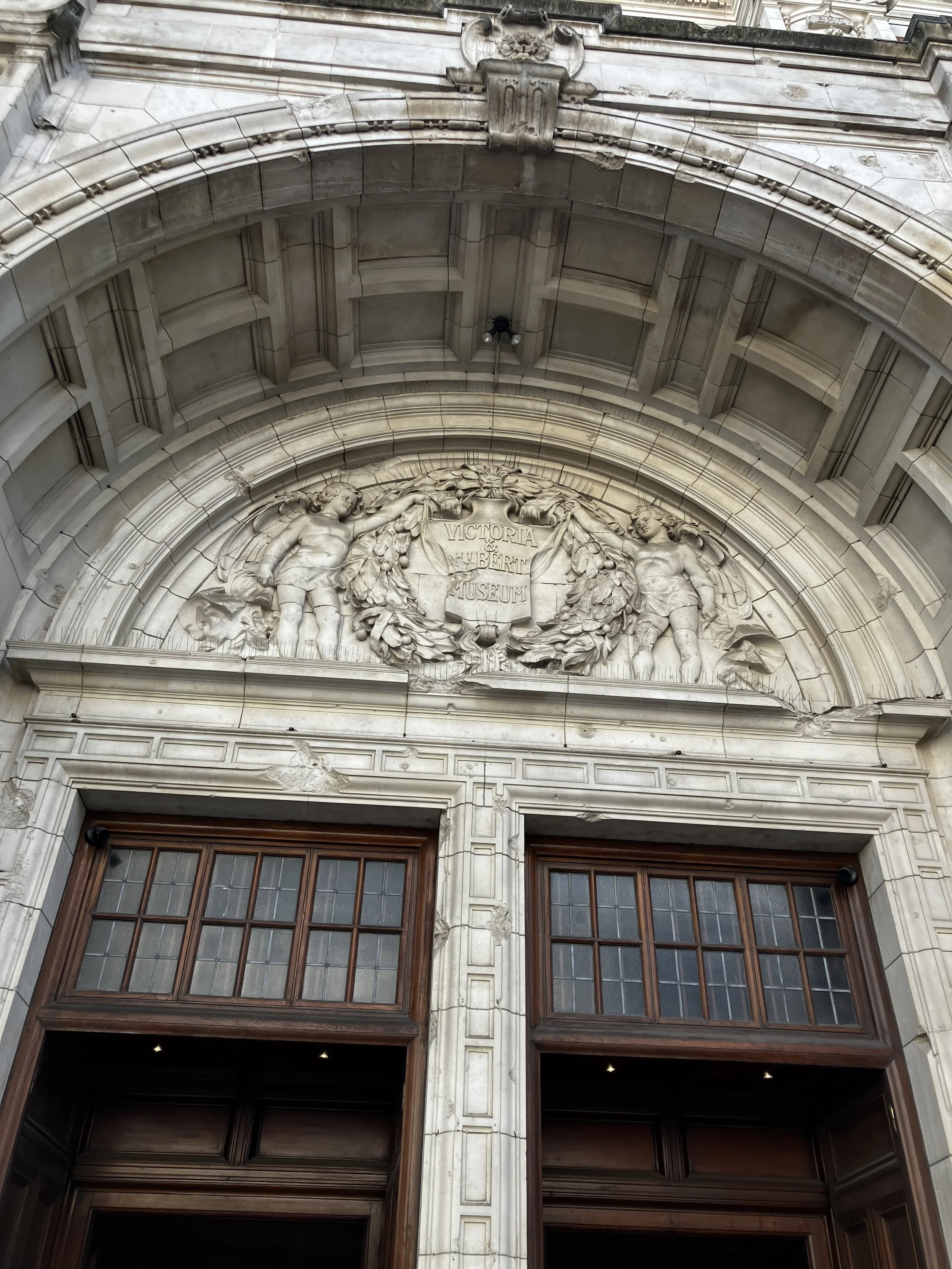
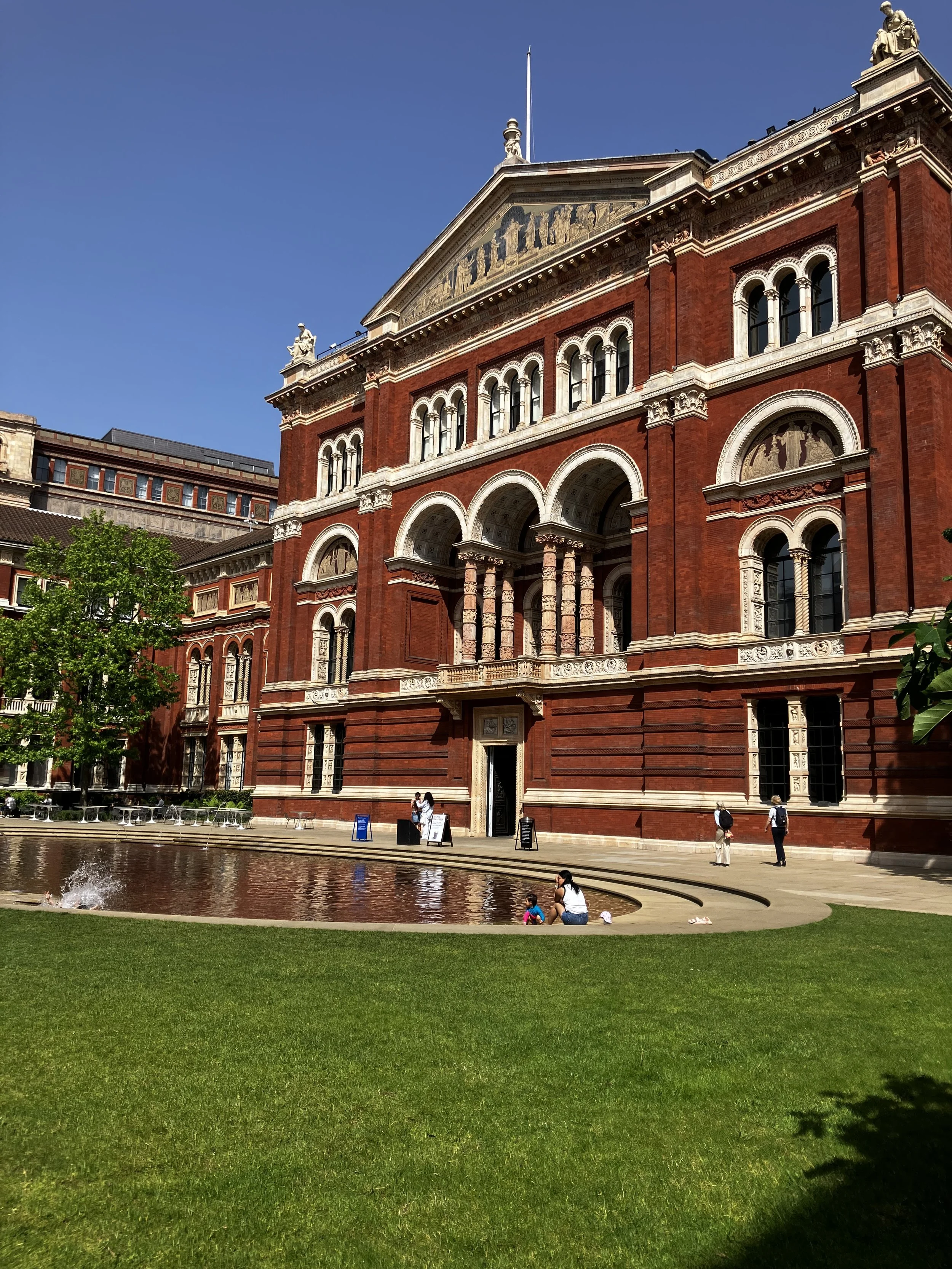
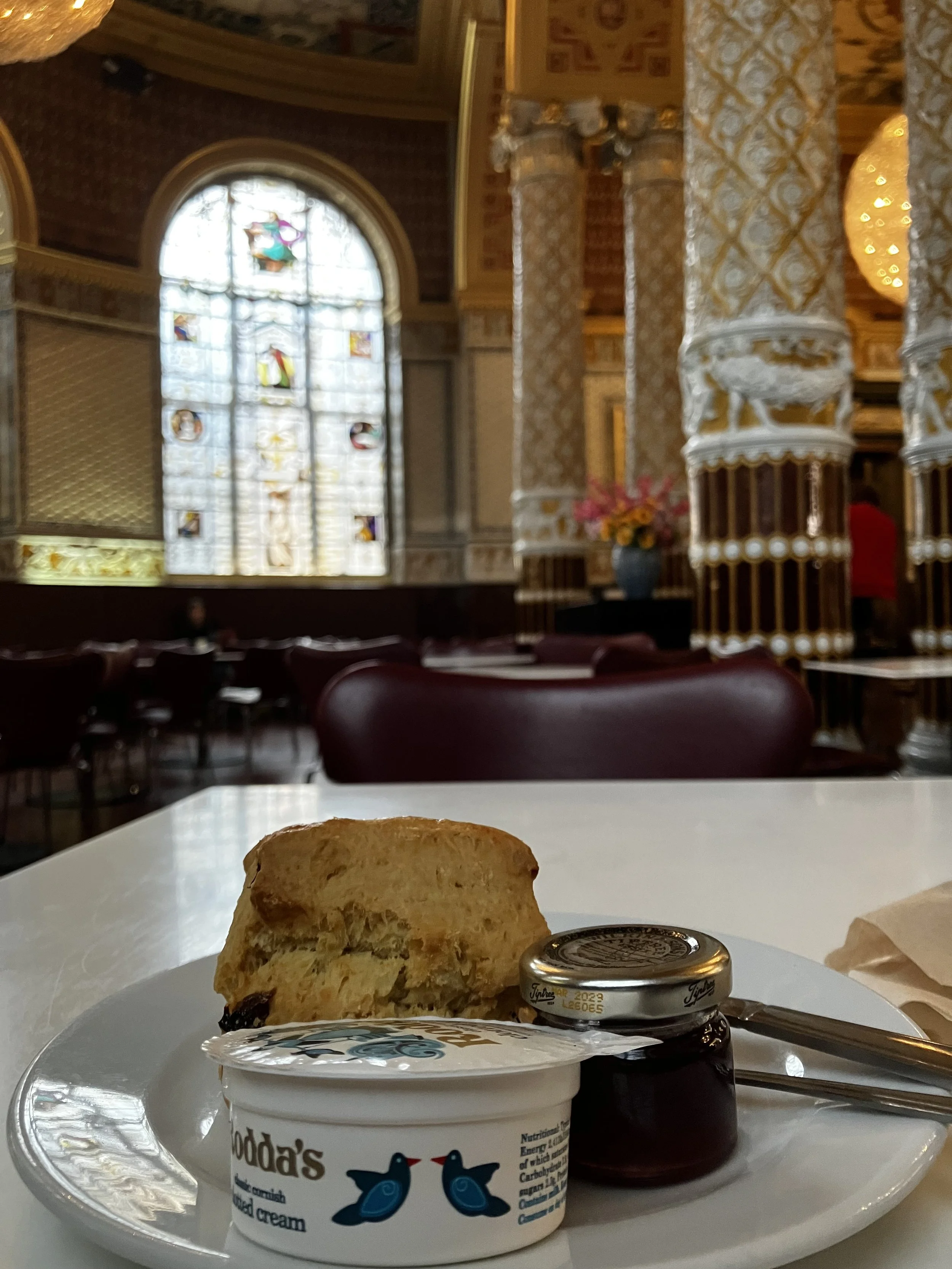
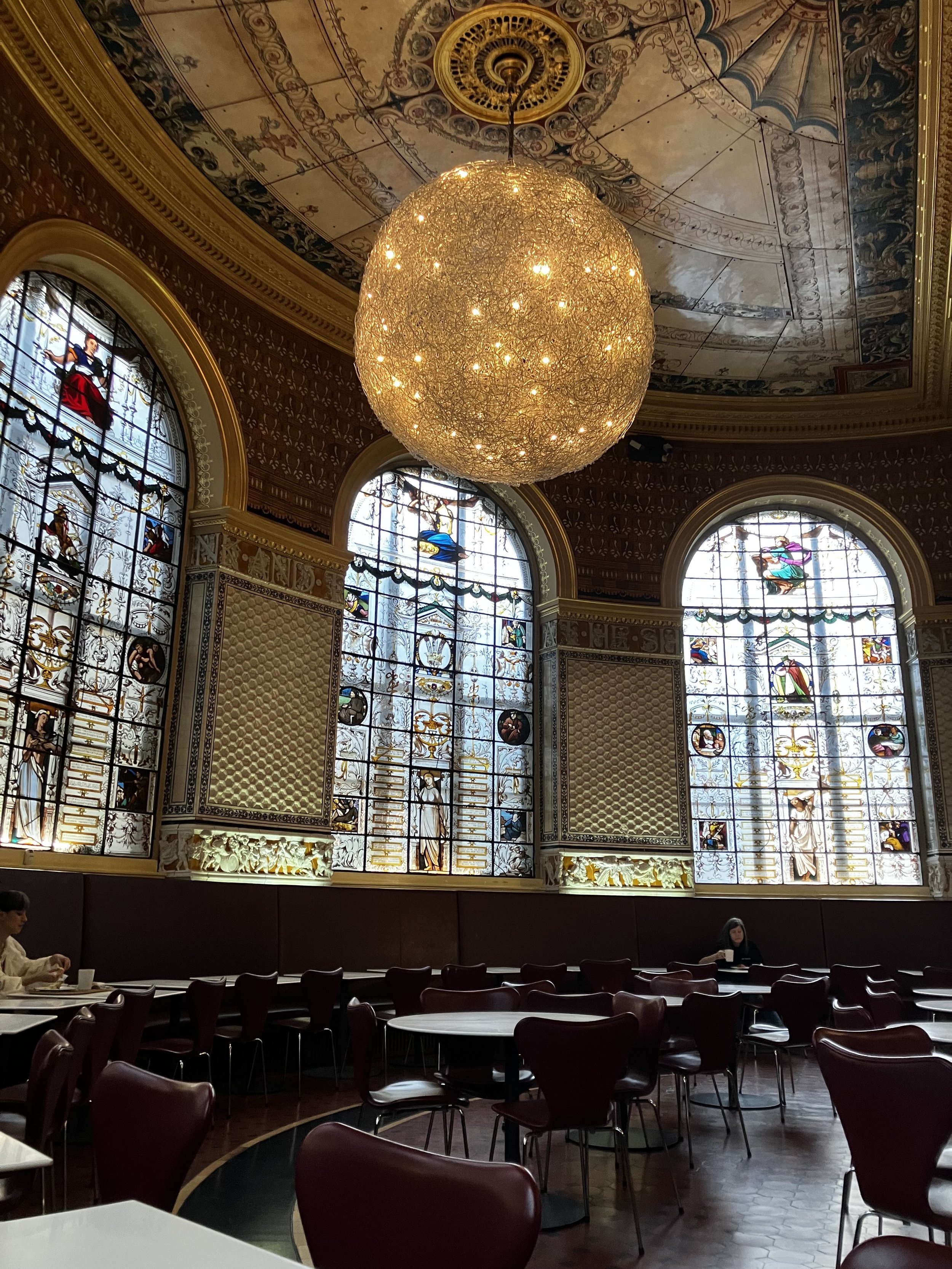
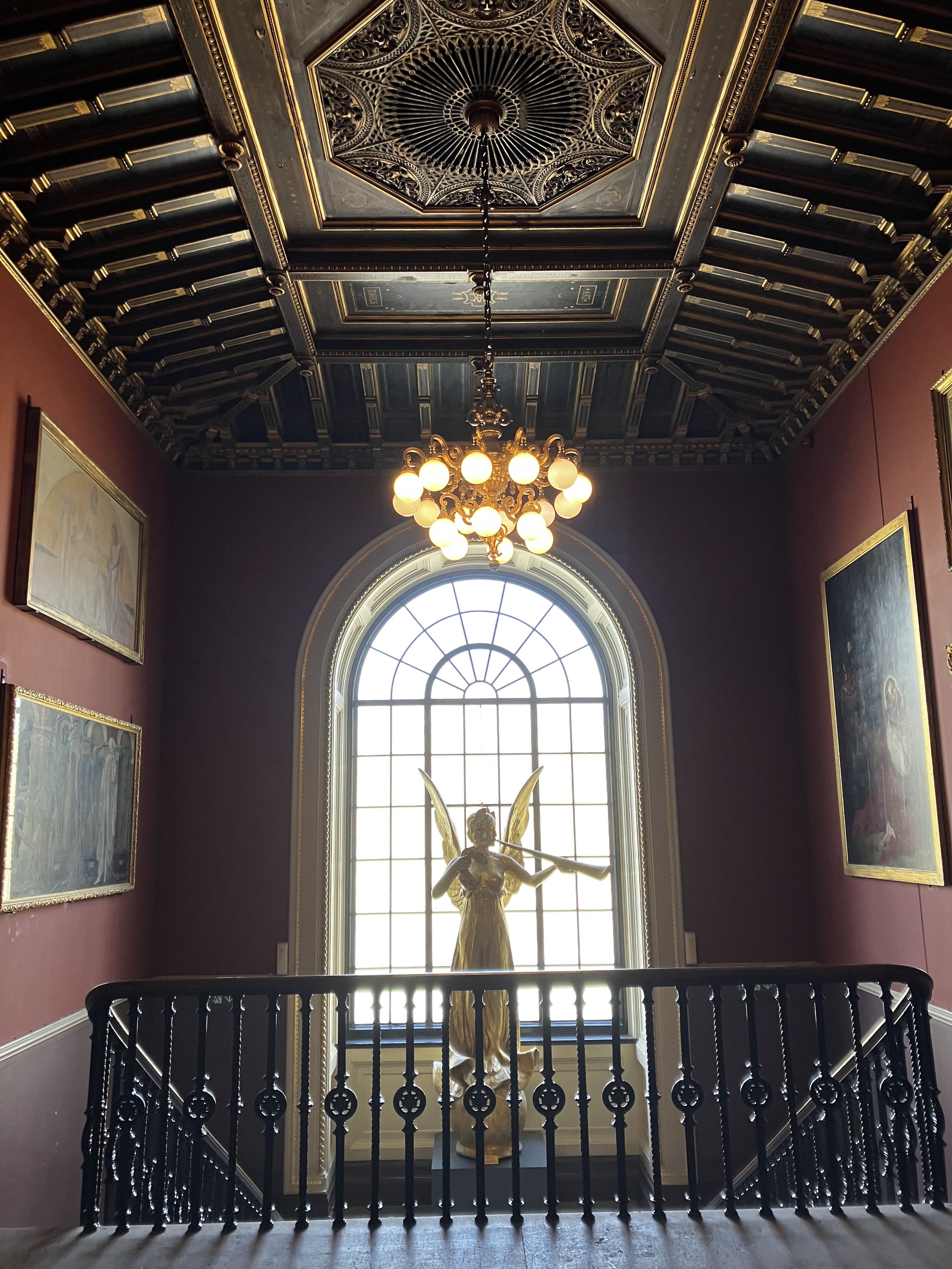
I actually visited this museum very briefly the last time I was in London and was sad that we didn’t have much time to spend there. So I headed back, intent on gathering some intel on clothes, furniture, and architecture to use in my historical fiction. The V&A was established in 1852, and the building is a work of art itself. I highly recommend getting a bite to eat in the cafe because look at that view. The museum houses a stunning collection of ceramics, metalwork, and sculpture, as well as less common decorative arts like jewelry and textiles. And as I learned this trip, there is even a little wading pool between the two buildings that would make the perfect spot to cool off for an energetic toddler. (Yes, I spent 90% of my solo trip cataloguing places I wanted to take Flora.)
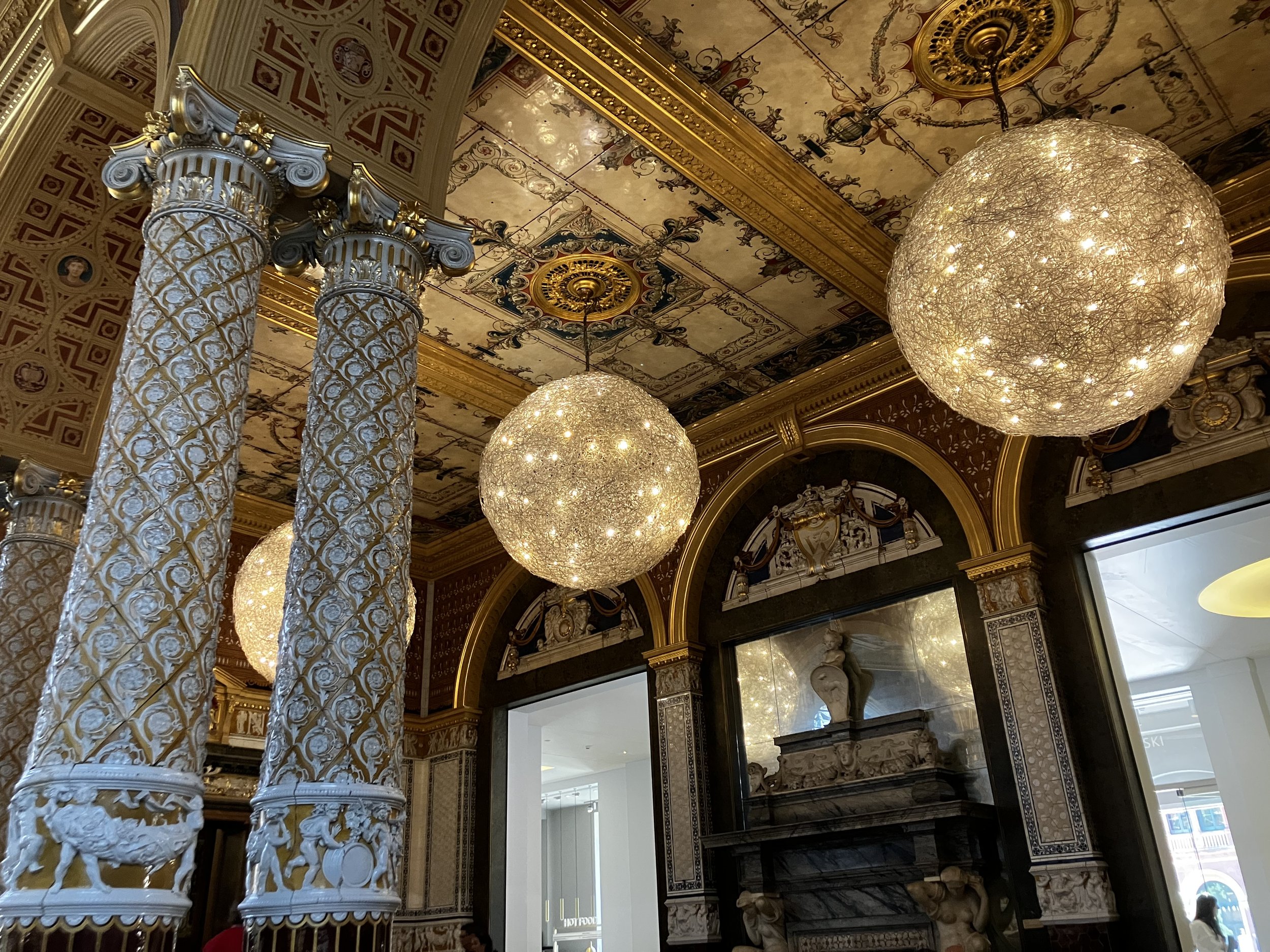
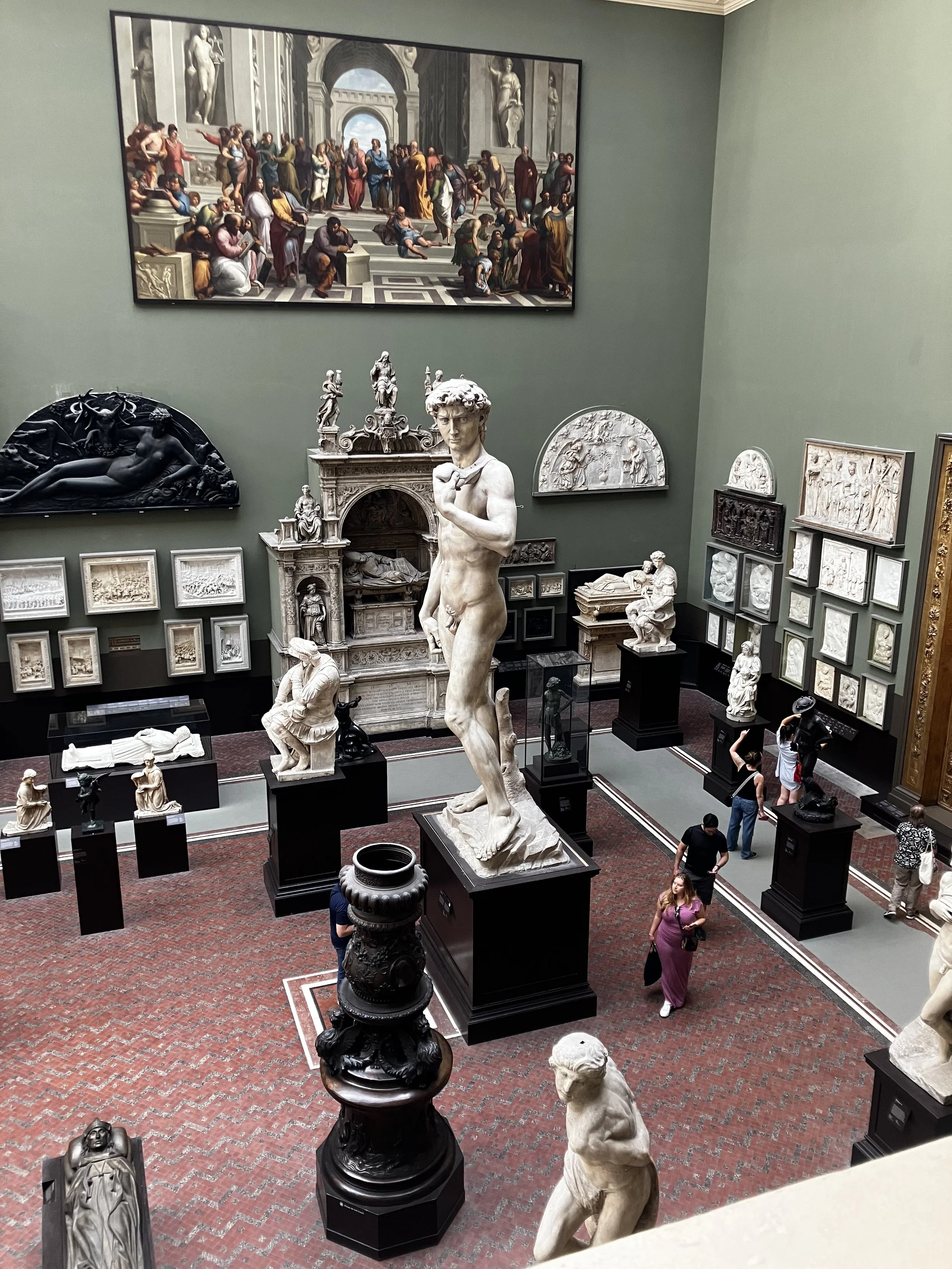
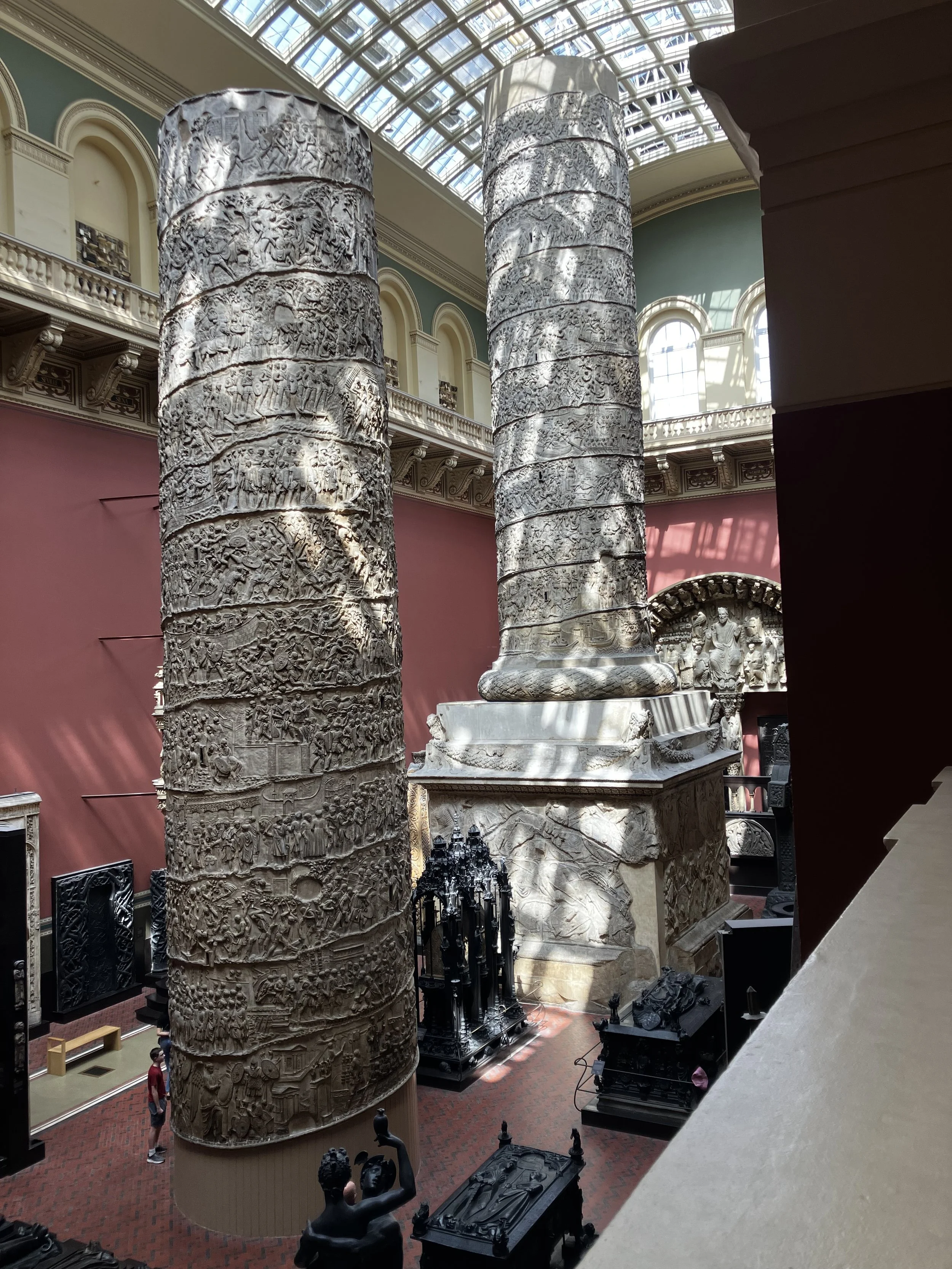
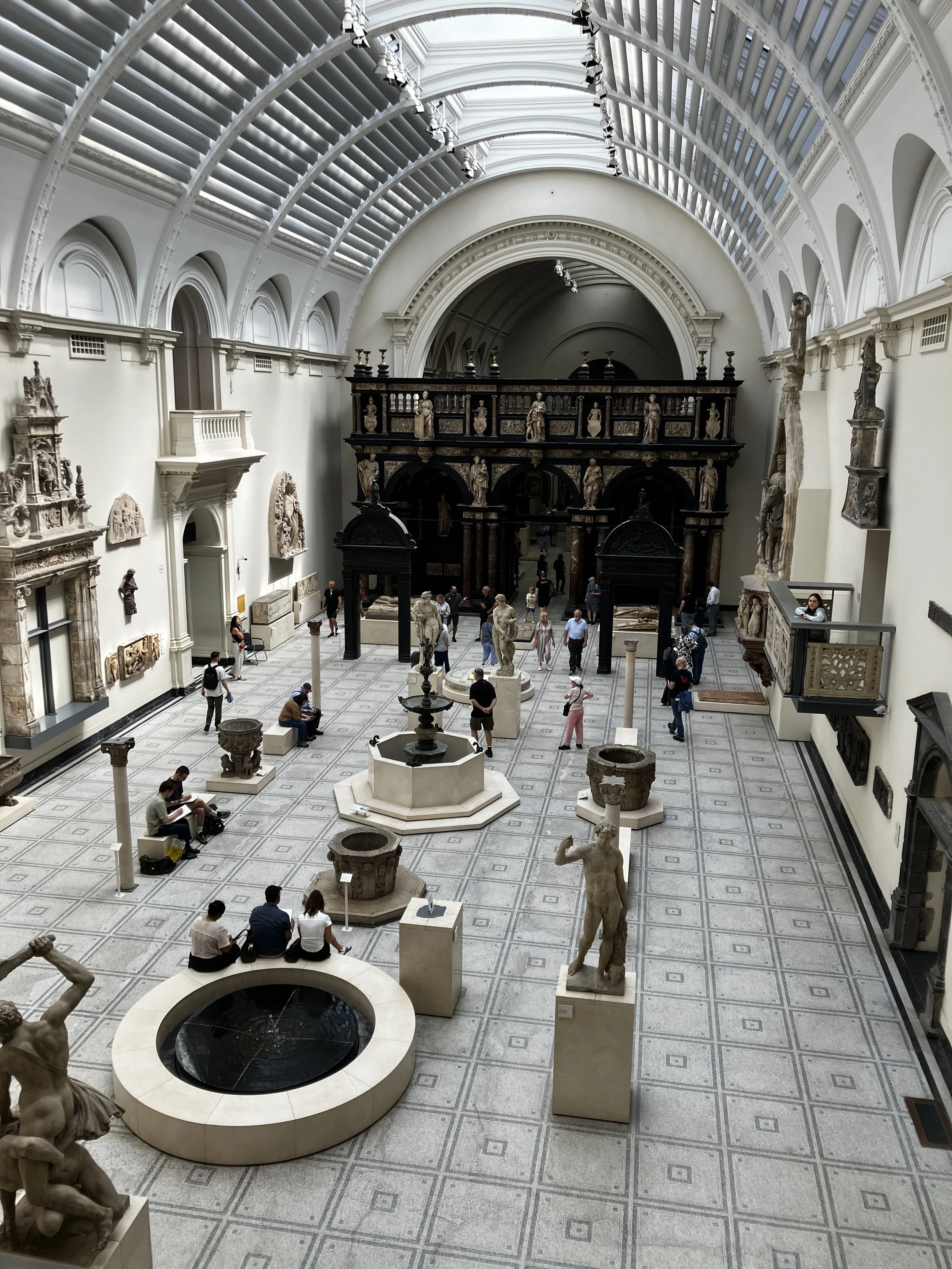
4. Kenwood House, Hampstead Heath, & Parliament Hill
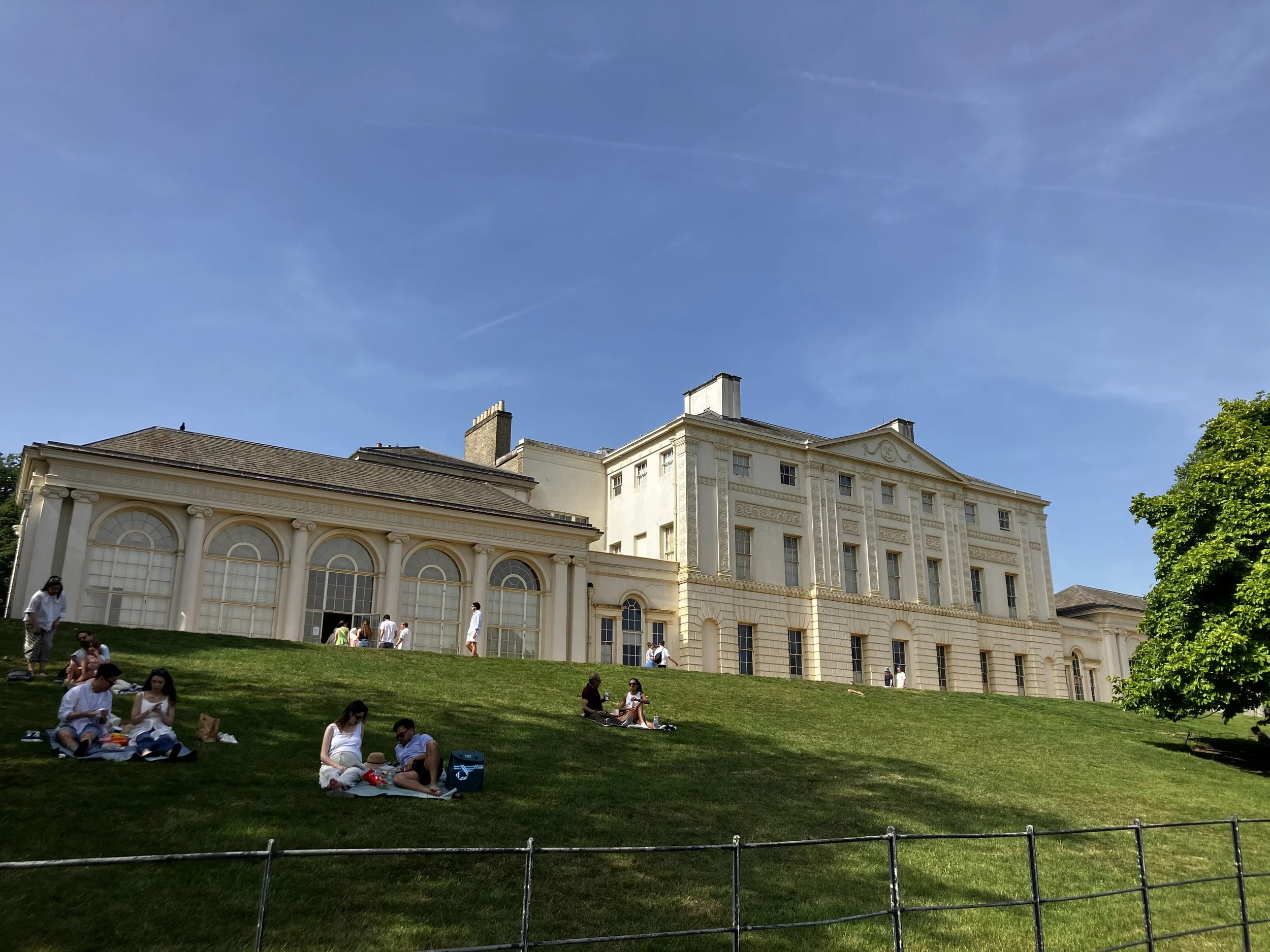
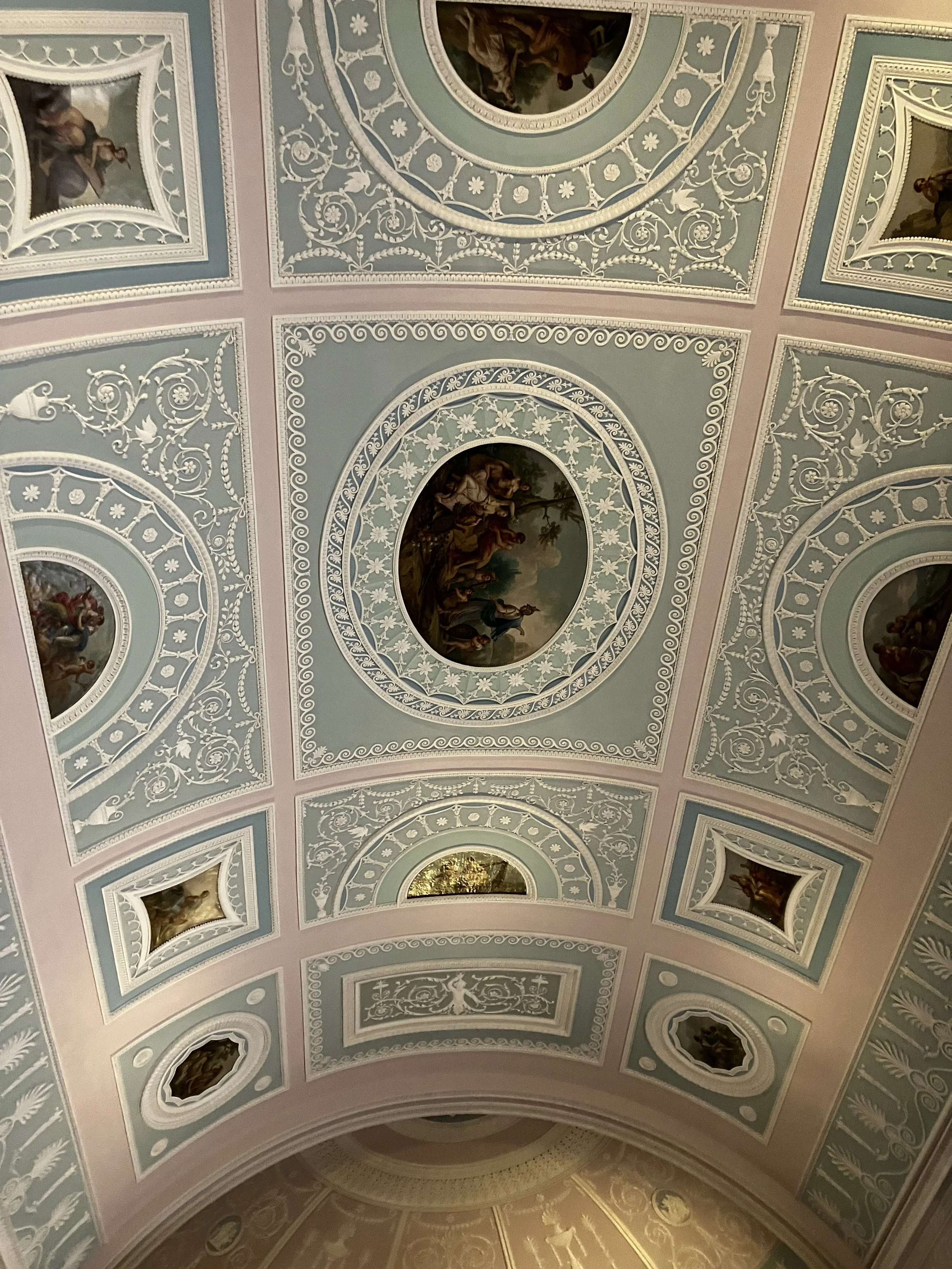
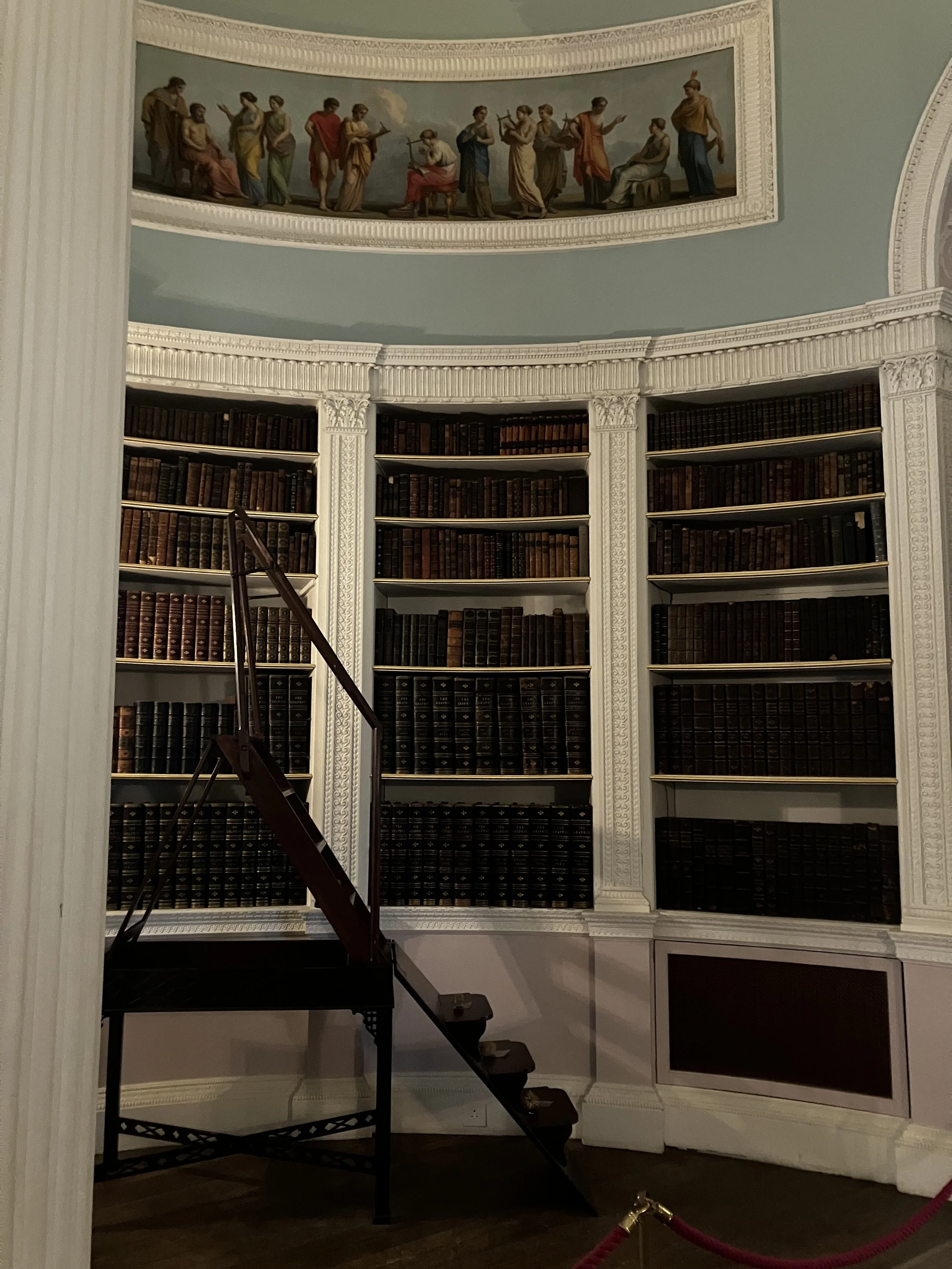
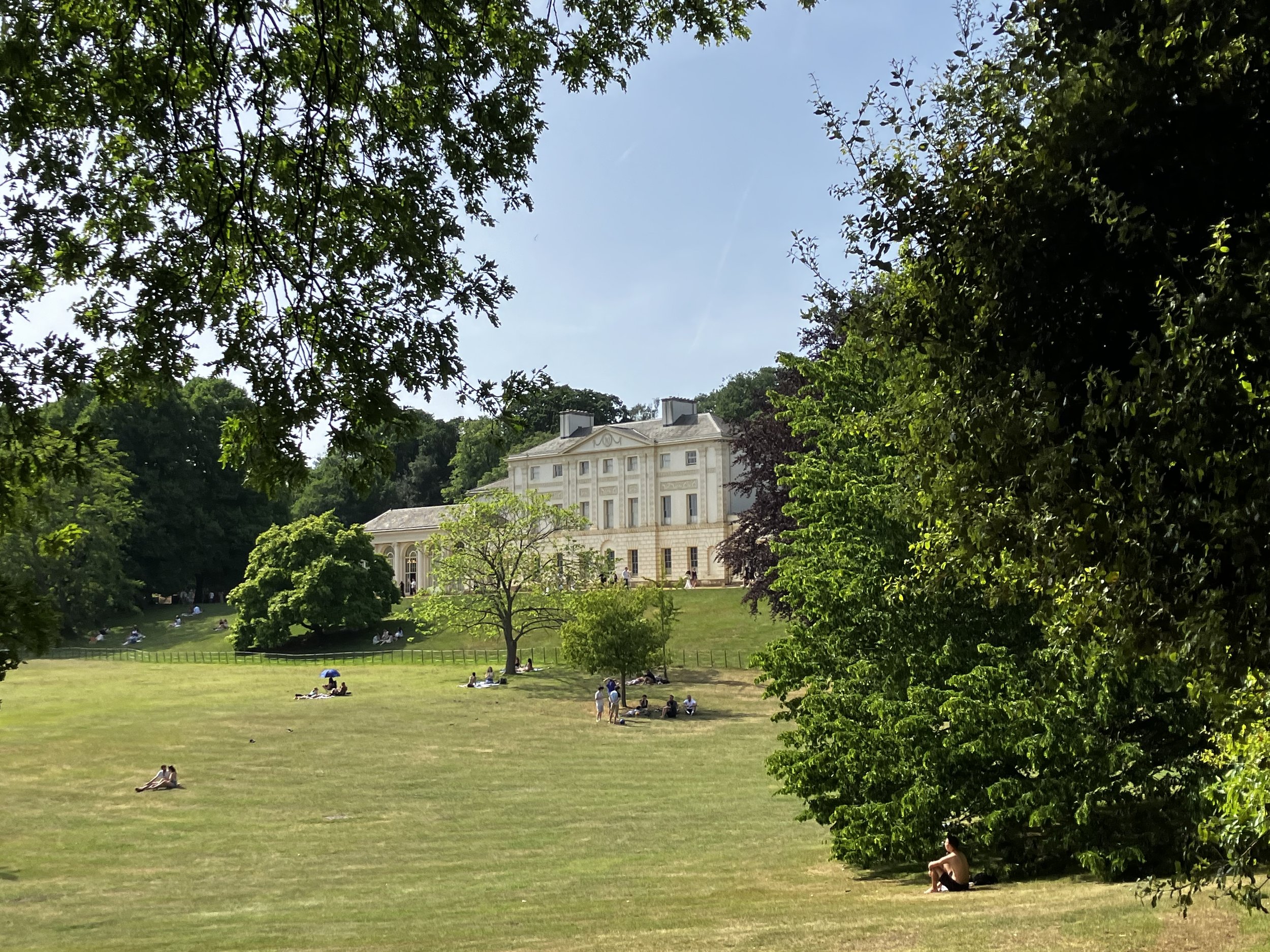
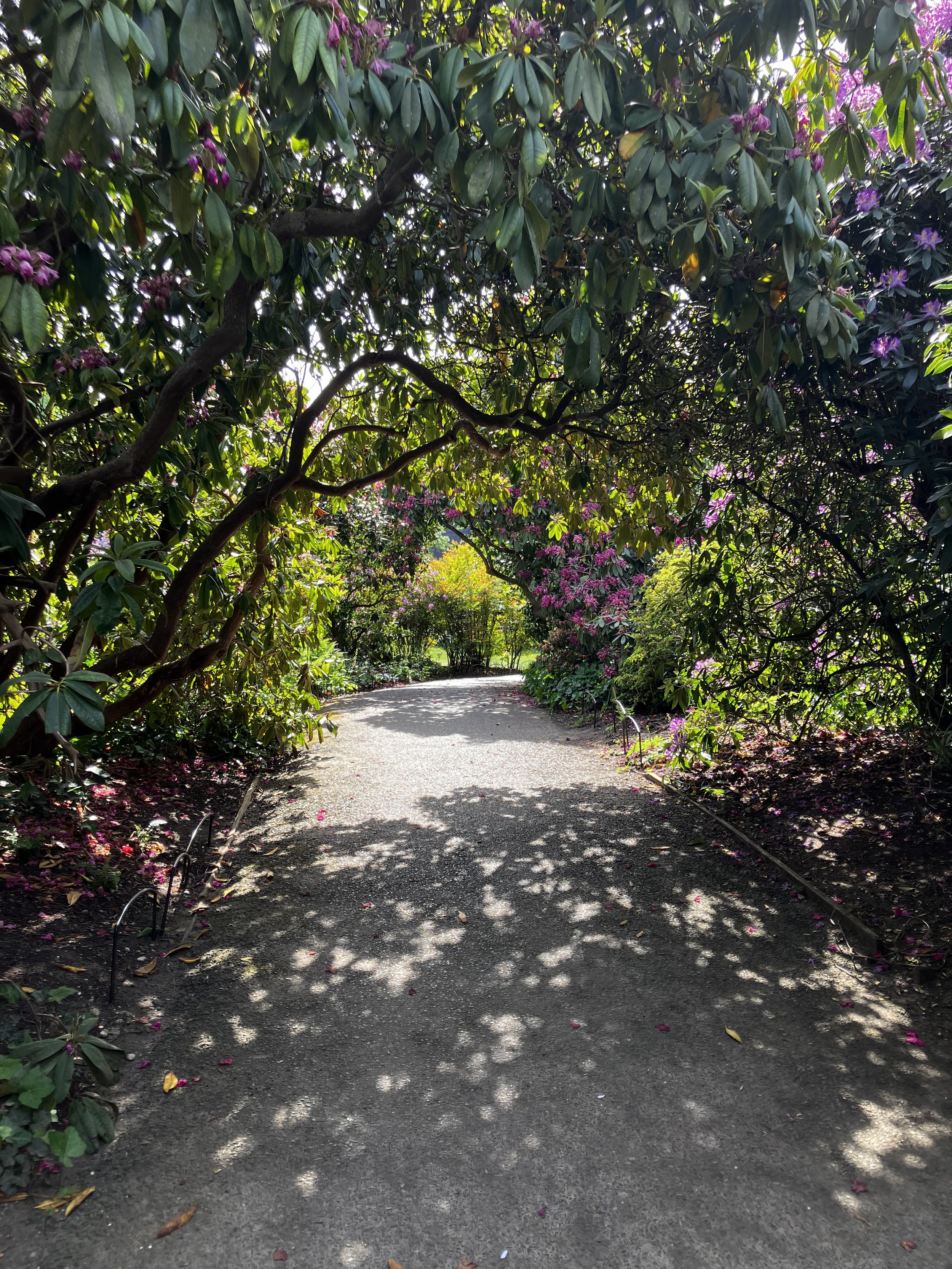
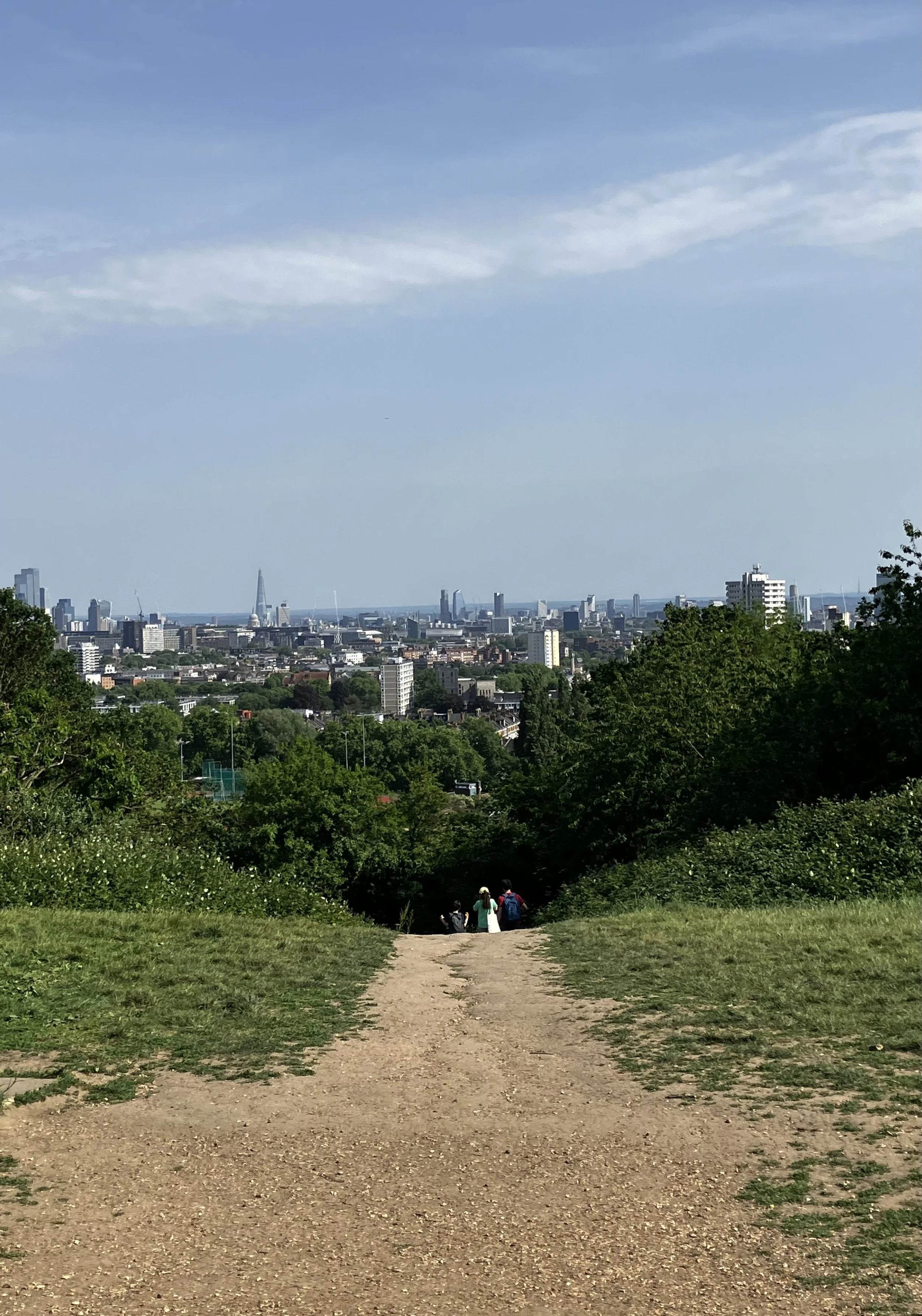
One thing that I’ve been wanting to do since I studied abroad in England was go to Hampstead Heath, a 790-acre protected green space outside central London. Since I’d journeyed to London to study the environmental protection society responsible for preserving Hampstead Heath as a common, it was only fitting that I finally trekked there, accessible via a long ride on the Tube. First, I toured Kenwood House, an English Heritage estate that is free to visit. It was built in the 17th century and currently houses a massive collection of Old Master and British paintings, as well as featuring stunning neoclassical architecture and landscape gardens. I also had a lovely conversation with one of the curators about the history of Dido Belle, whose portrait is featured in the entryway as an attempt to center the history of this free Black woman who grew up in Kenwood House as a favorite of Lord Mansfield’s, a highly unusual position at the time. I then walked through the heath to reach Parliament Hill, which provides an iconic view of London. And during the walk, I was treated to my first sighting (and hearing) of London’s equally iconic feral parakeets.
5. The Wallace Collection
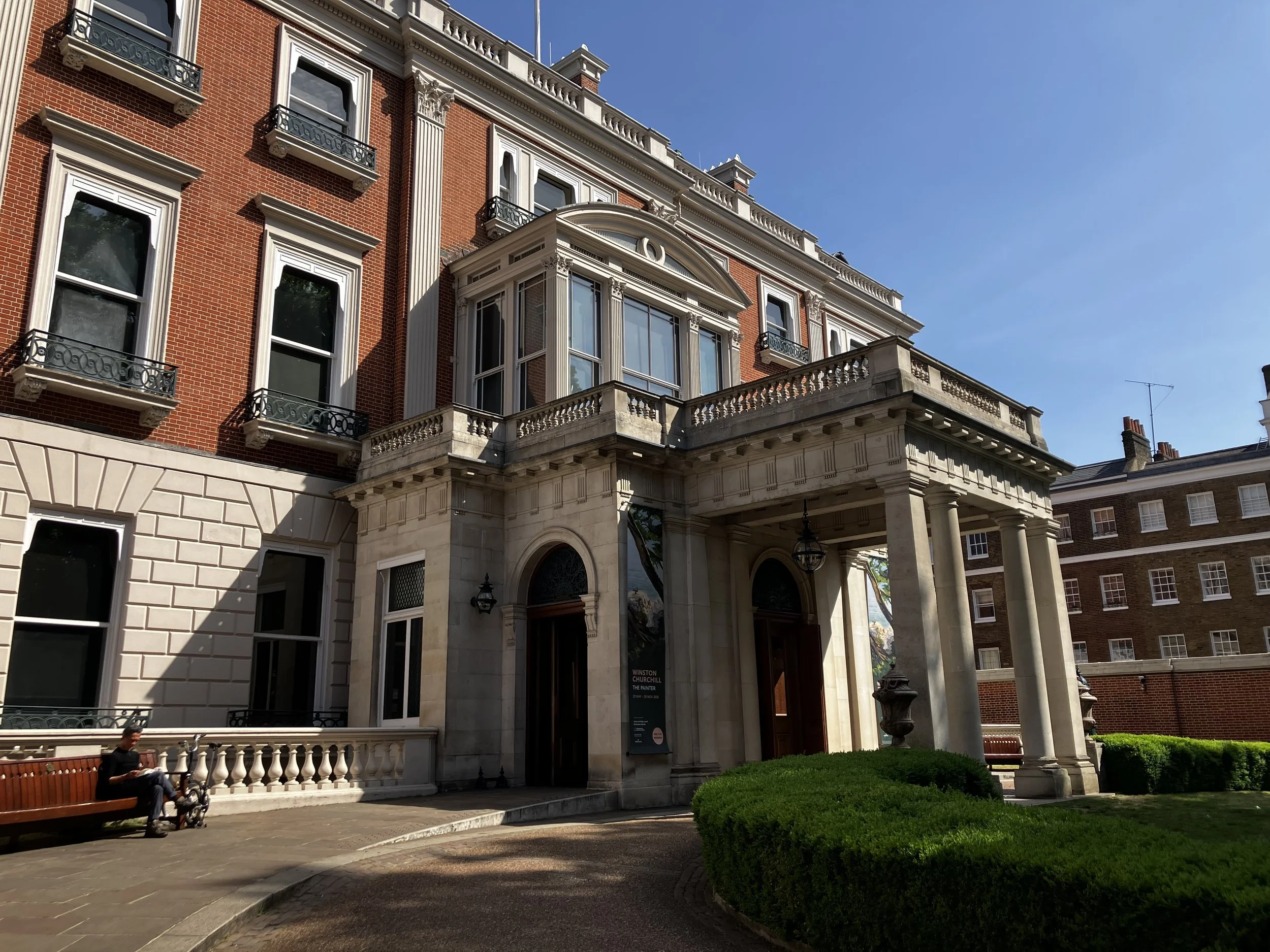
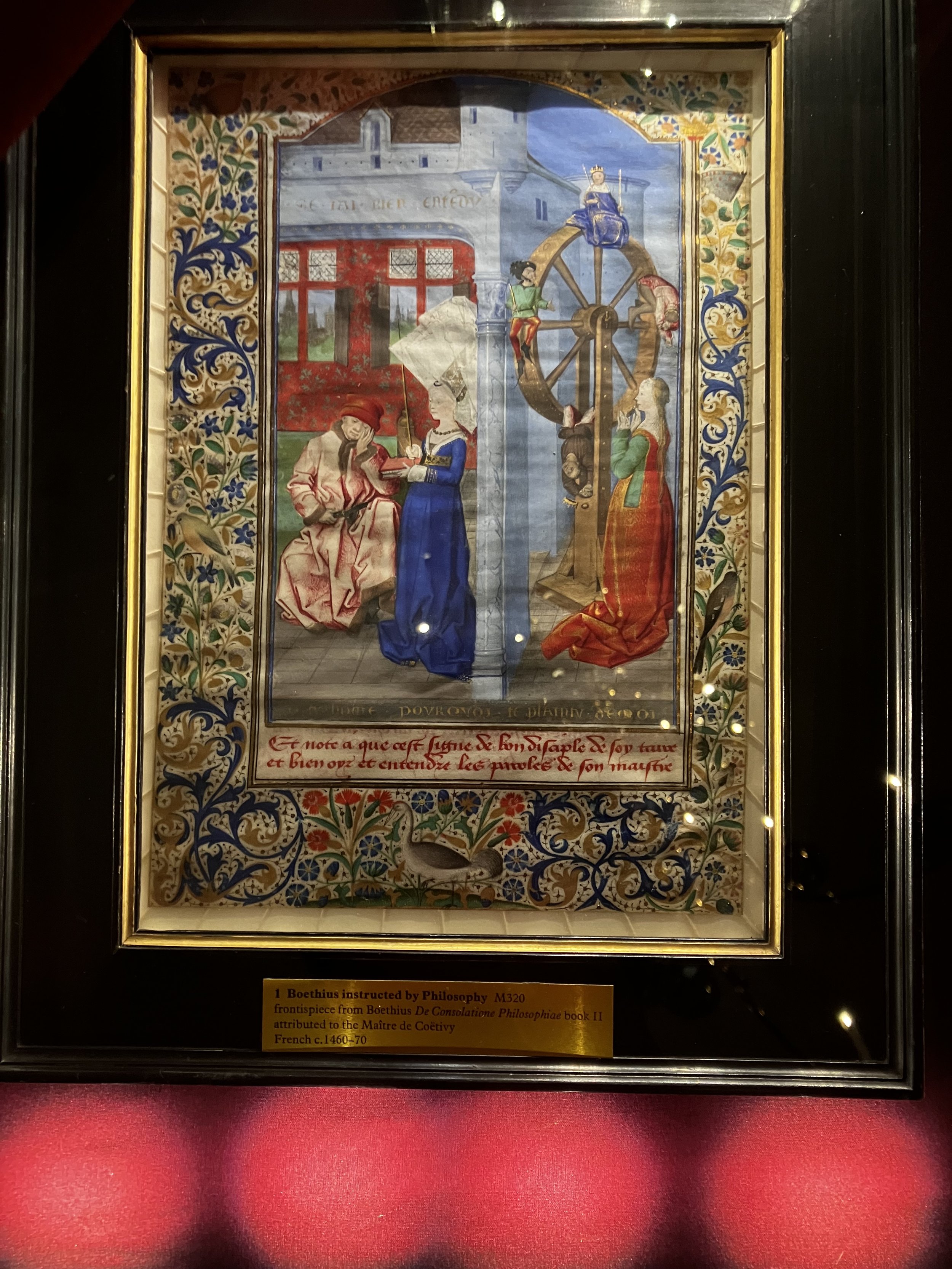
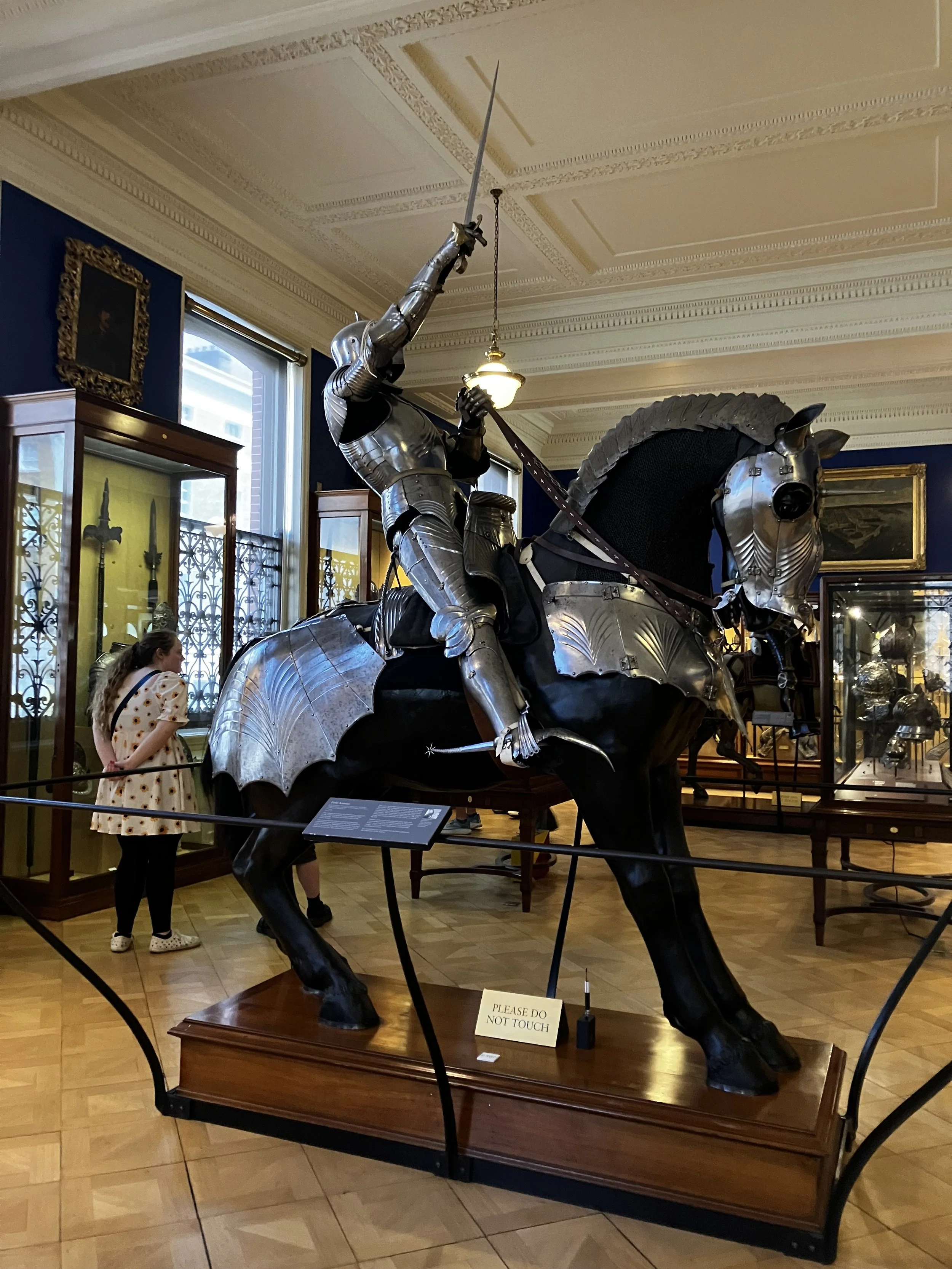
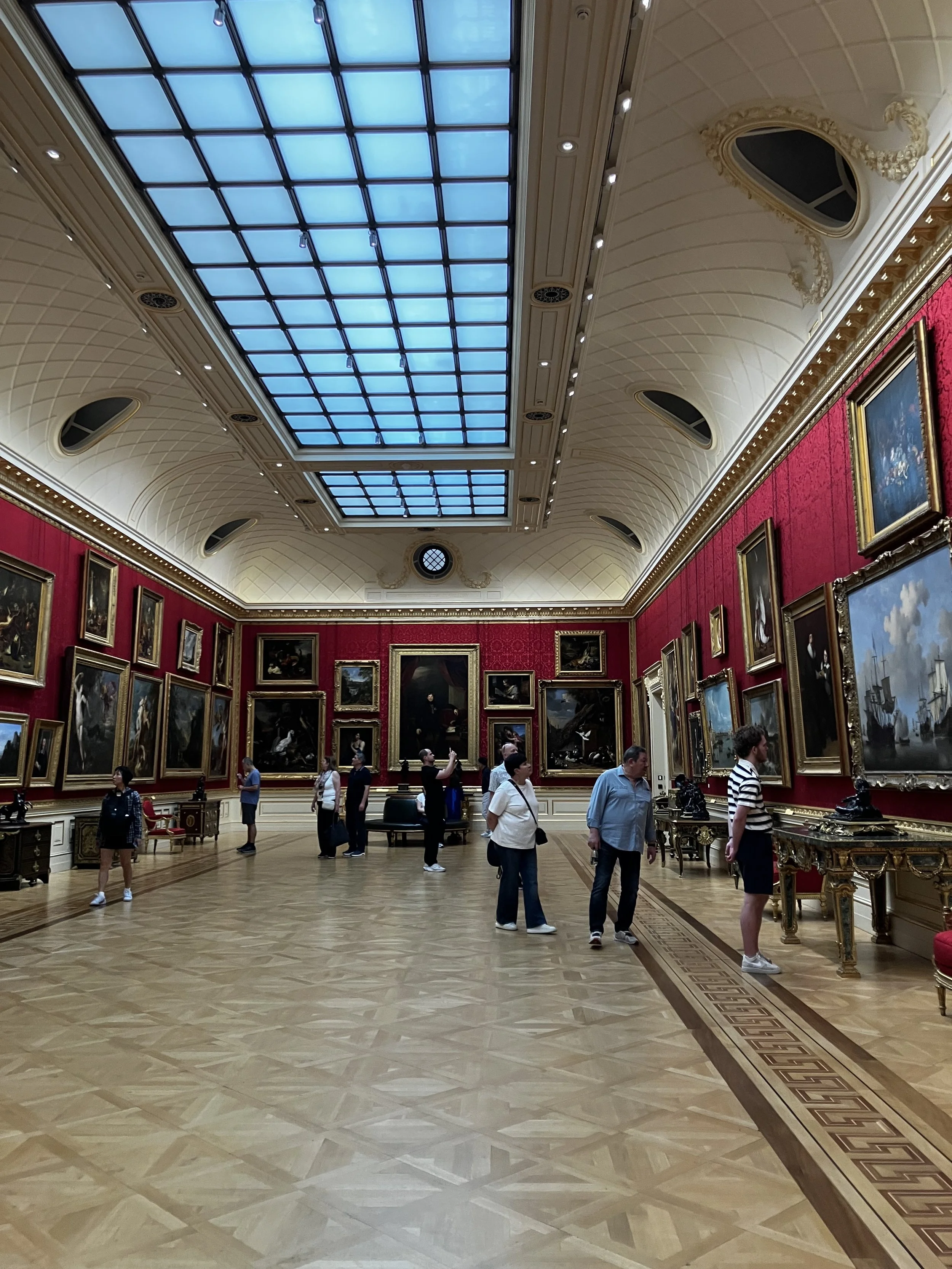
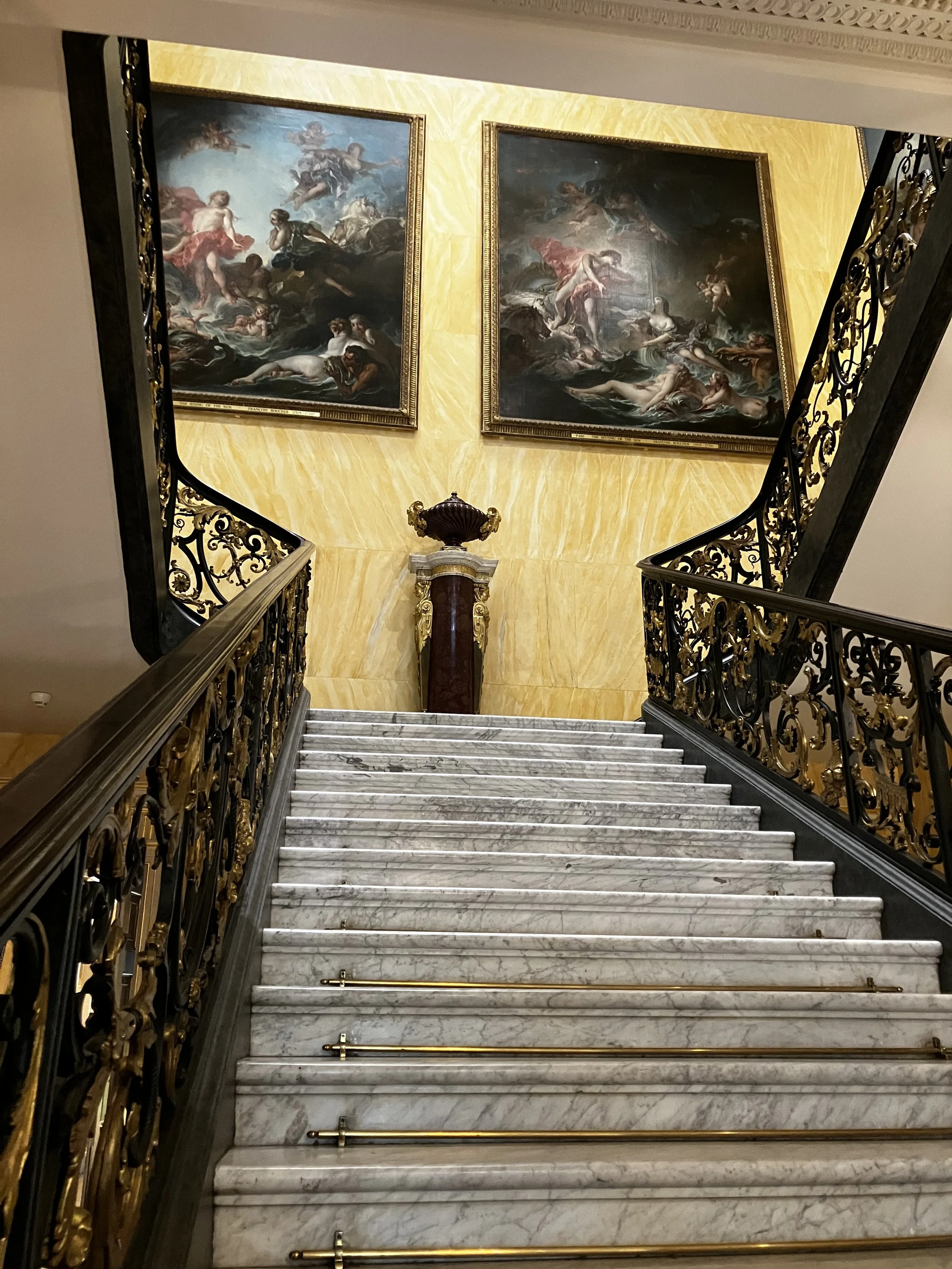
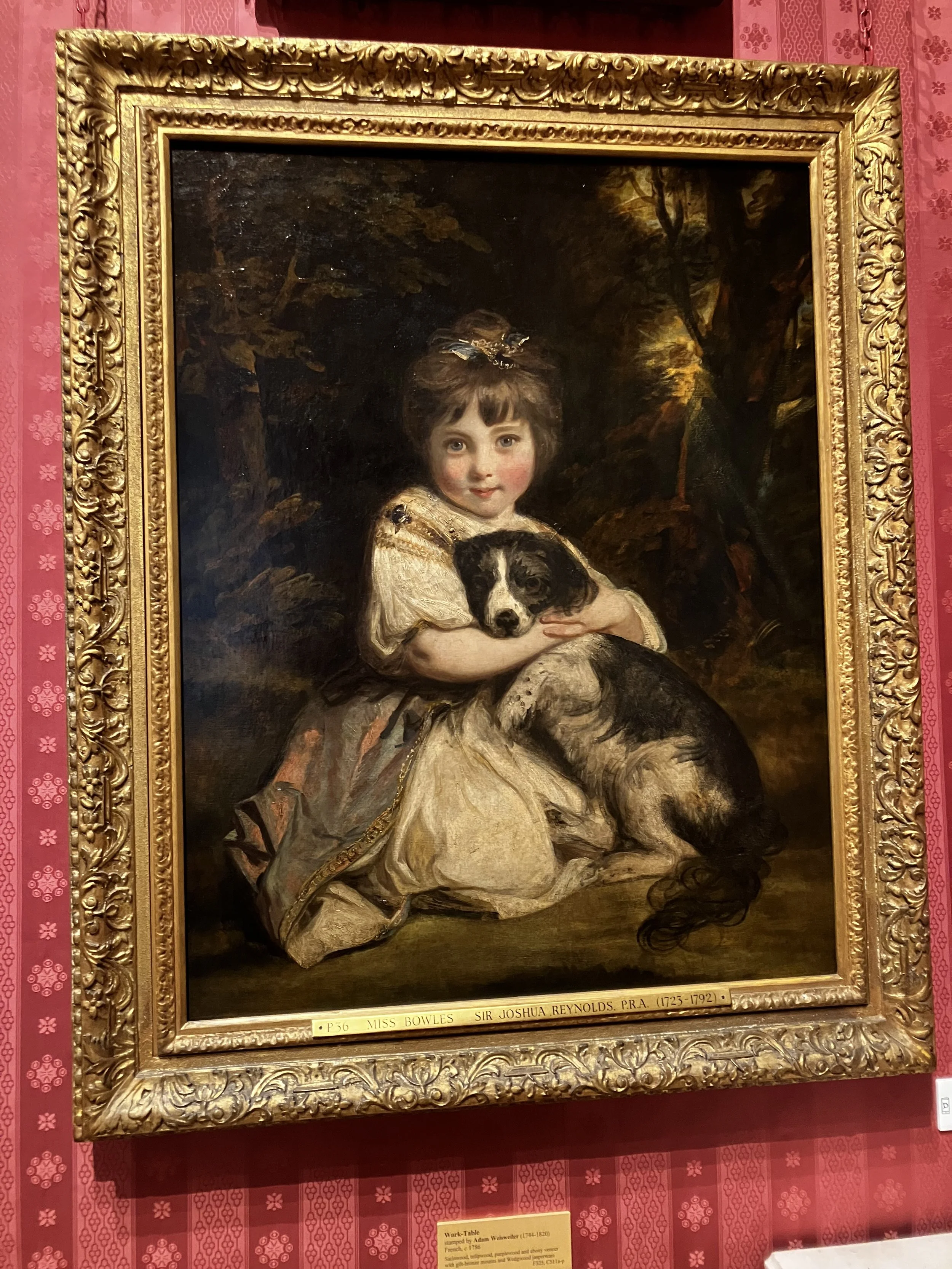
I actually saw this museum on Instagram, so I can’t take credit for finding it — but I’ll confirm its status as a free hidden gem. It’s housed in Hertford House, formerly a grand private residence of the aristocracy, and it boasts a well-curated collection of 17th-,18th-, and 19th-century art and one of the largest collections of weapons and armor in Britain, including a full set of medieval horse armor, one of only three in the world.
6. A Midsummer Night’s Dream at the Globe Theatre & the Southbank Used Book Market
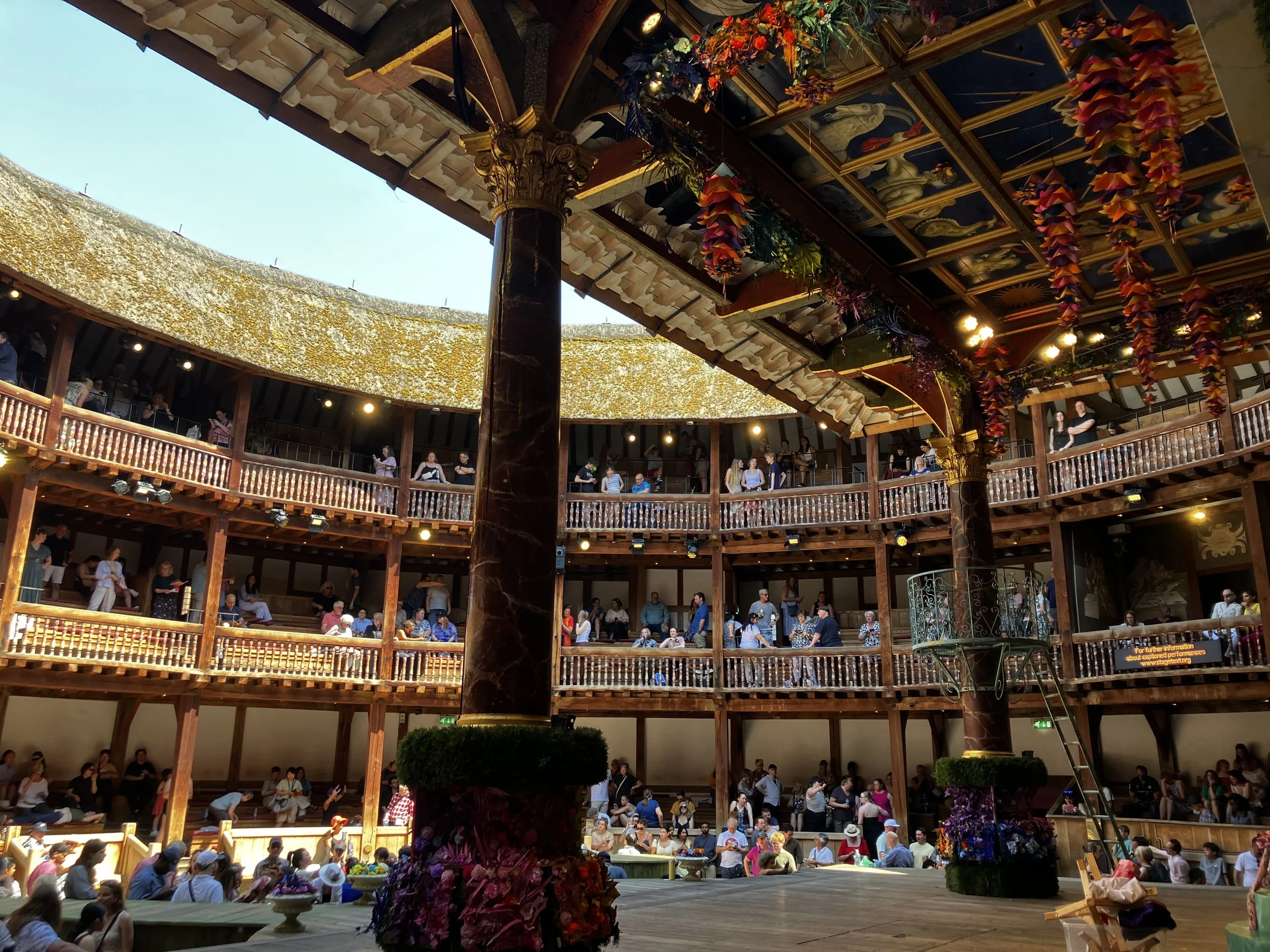
Now, if you read my blog post visiting London back in 2017, you’ll know that I went to a performance at the Globe for the first time then, and I was horrified. I’d been accustomed to what I deemed serious Shakespeare; performances that treated Shakespeare with the kind of reverence of my college professors. If you laughed at Shakespeare, it was the kind of haughty, academic snicker that indicated you were smart enough to understand the Elizabethan joke. Instead, what I found at the Globe was much closer to the Pantomime show I saw in Ireland this winter. It was camp, drag, anachronistic, interactive in a way that confused me. This time, I knew what to expect. I understood that the goal of the Globe is to immerse you in the play, not to ask you to view the 16th century through a 21st century lens, but to effectively allow you to experience Shakespeare as it would have been experienced when it was originally performed. Not from the outside, from the privileged perspective of an academic, but from the inside—complete with bubble guns and audience members being pulled up on the stage to act as key characters.
In addition to understanding the context, I had some kind of spiritual awakening as I sat alone watching this Globe performance. Almost a decade more of immersing myself in literary study resulted in my being overwhelmed by the knowledge that I was part of this genealogy of audience members experiencing Shakespeare in this way, a link that could be traced all the way back to the 16th century. And that, combined with having read and watched Hamnet (if you know, you know) this year and having flashbacks to the movie’s last scenes, meant that during the opening of A Midsummer Night’s Dream, which was a not at all sad rendition of the traditional Irish ballad “Step it Out Mary,” I was uncontrollably crying. Did I mention I was alone? And sobbing within the first two minutes?
So anyway, I would highly recommend seeing a performance at the Globe if you’re able to. Tickets are fairly easy to get last minute (I didn’t decide to go until the night before), though the standing tickets (groundling tickets next to the stage, which are £5-10) were sold out. Still, the seated tickets, which turned out to be great for the heatwave, were only £25.
After the performance, I walked along the banks of the Thames down to the Southbank Book Market, a sizable outdoor used book market. I had grabbed a few things at Gay’s the Word, another iconic London bookshop, the previous day, so I didn’t find anything tempting enough to take up the dwindling real estate in my suitcase, but walking with a soft-serve ice-cream in hand while taking in the river views was worth it either way.
7. Barbican Conservatory
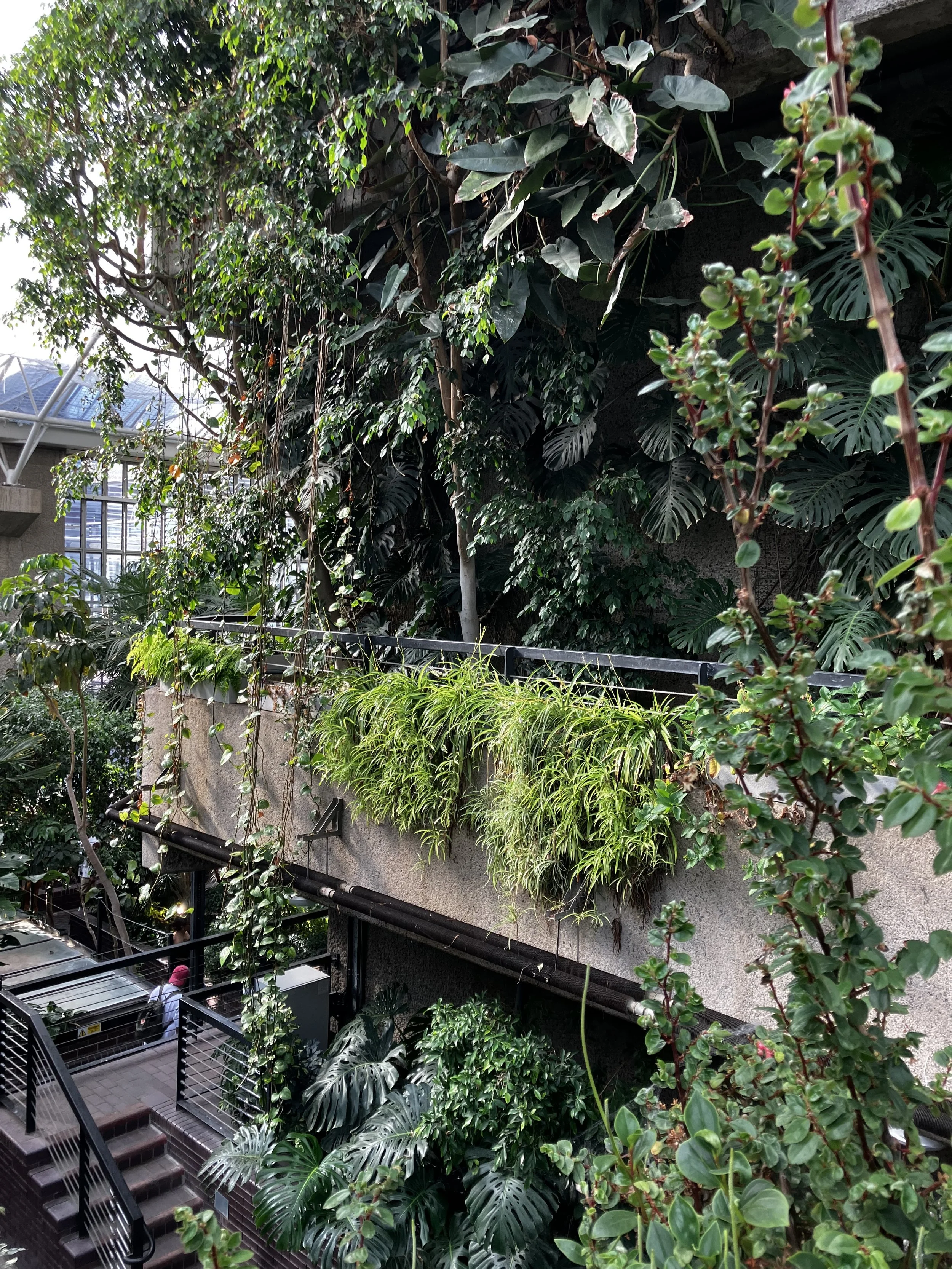
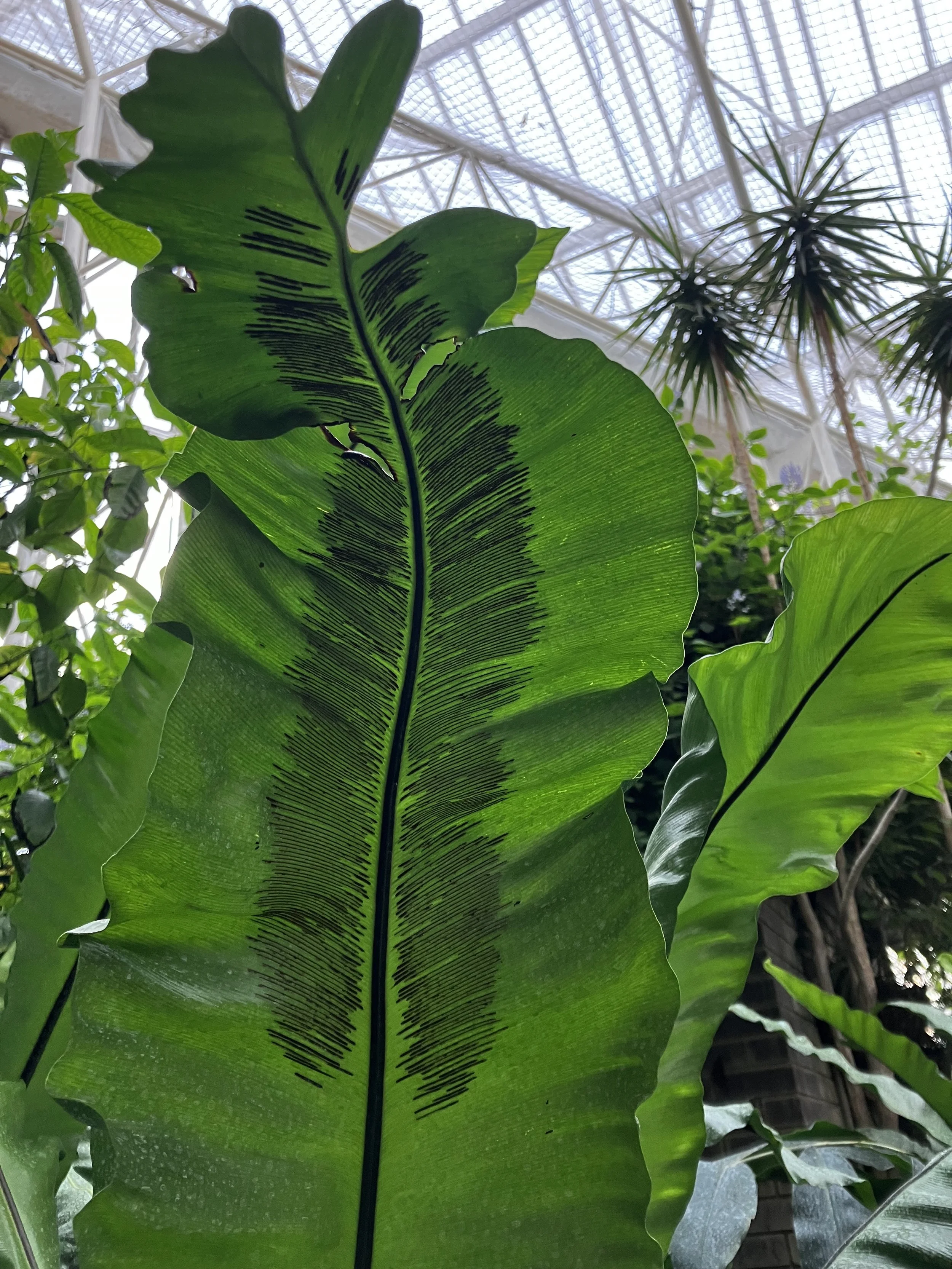
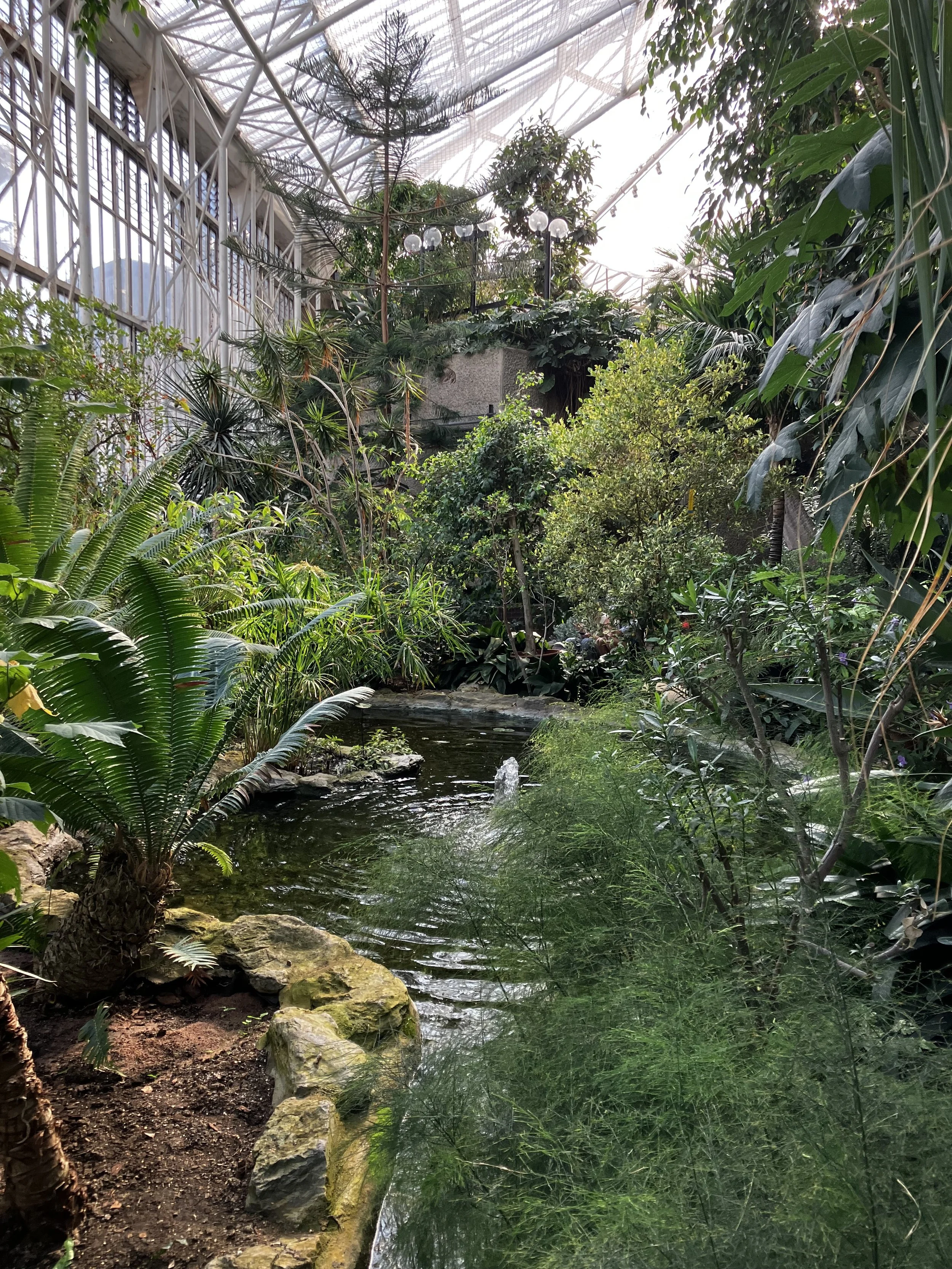
Naturally, as someone who studies and writes about all plants, I had to visit what I’d seen labeled as London’s “best secret garden” and the second largest conservatory in the city. The conservatory occupies level three of the Barbican Centre, a massive performing arts center and brutalist landmark. Tickets usually sell out when they are released one month in advance, but they release limited tickets at 9:30 am every day as well. I snagged one of these to end my day, and controversial, but: I didn’t think it was worth it. Maybe it’s because I’ve been to Kew and visited a lot of greenhouses and botanic gardens over the years, maybe it was because it was far away from where I was staying and the Tube line I needed was shut down twice, maybe it was because the conservatory was the only reason I was going (there are also art exhibits and apparently a very cool cinema), or maybe it was because I hate brutalist architecture. But either way, it took me about 20 minutes max to walk through the whole conservatory, and I left feeling very disappointed. I would not recommend doing this unless you plan on taking advantage of one of the other (not free) things the Barbican has to offer.
I hope you enjoyed reading! If you did, don’t forget to like the post below. Thanks for spending some time reading about my adventures.